Gear

2024 ICAST Winners Announced
The 2024 ICAST show wrapped up last week, and the winners of product awards have been formally announced. Aside from the new Hardy Averon reel, most of the winners for new products were affordable, especially in the fly fishing world. While the more expensive gear is obviously nice to have, it's good to see the budget-conscious stuff making an impression on...

Riversmith Launches Convoy Gear Collection
Riversmith, makers of the popular River Quiver and other accessories, has announced the release of their new Convoy Gear Collection. The Convoy collection is a group of weatherproof travel bags purpose-built for a wide variety of fishing situations. “The Convoy Collection is something that Riversmith has been thinking about, designing and field testing...
Opinion: Expensive Fly Rods
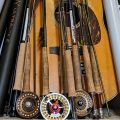
In this recent post over at Troubitten, Domenick Swentosky dives into the never-ending debate about whether an expensive fly rod will catch you more trout. As with most everything Dom writes, I appreciate the way he looks at this question, and he does a wonderful job explaining his position. I particularly like that he spends time talking about the period...

My Favorite Net Ever
I read Kubie Brown's piece last week about nets, and one line jumped out at me: "I absolutely hate short-handled nets." I understand Kubie's reluctance. Short-handled nets aren't ideal when you need to reach to net big trout at the end of long leaders. They're certainly not the best for a buddy to use when trying to "help" you land trout from deeper water...

Hardy Launches Averon Reel
Hardy announced the release of their new Averon reel, which will replace their current Ultradisc reel series. The Averon utilizes the same drag system, notably an unregulated adjustment knob that allows the angler to set the drag to whatever position best suits their current needs. Hardy says the Averon also has low startup inertia, which would be similar...
The Best Rod for Small Streams
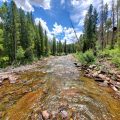
My local small streams finally opened up the past week or so, calming down from the runoff we had this year. They're still high, and a bit tricky to wade, but it's not impossible. And just as these small streams came into shape, I got a nice surprise in the mail. I'd sent in a BIIIx 9' 5-weight to Winston for repair in March, and it turned up just in time...

A Fly Reel's Most Important Feature
The fishing has been good here lately - good enough that I've shirked work duties and spent more time on the water than I should. And while being on the water is a blast, I've lost more than a few good fish over the past two months. I'm no fish-catching machine, by any stretch, but I feel like I've lost more fish than I normally do. Most of those lost trout...
Smith Launches New Hookset Frames
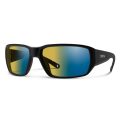
Smith has announced the release of their newest frames, the Hookset. These frames boast a bevy of new features, including two new lens options. Beginning with the frames themselves, Smith developed a new design that reduces light leakage and provides complete coverage to the angler while on the water. Smith also opted to build these frames with their Evolve...
Gear Spotlight: Sitka Apparel
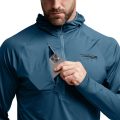
Sitka has long made a name for themselves in the hunting world, but a few of their products are fantastic for fly anglers. I've had the chance to try out some of them lately, including the Equinox Guard Hoodie, Mojave SS Shirt, and the Territory Short. After putting these clothes through the wringer for a few weeks here in Wyoming, I'm almost certainly...
Costa Releases 'A Legend Remastered' Film
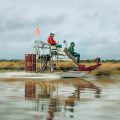
Costa del Mar has released a new film to commemorate their release of the Grand Catalina frames. The Grand Catalina frames were a classic for Costa for years, and they were just re-released into the lineup for 2024. The film features Flip Pallot and Oliver White on a two-day adventure in Florida's backcountry. You can view the film below.


