Techniques
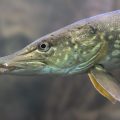
Early Season Pike Tips
Pike are a fun fish to catch on the fly - so I've been told. I've been skunked every time I've chased these fish, but I know enough anglers who absolutely love catching them (and I'll be honest, it looks like a blast). According to Chris Hunt's recent story in Hatch Magazine, the earlier in the season you chase pike, the better luck you'll have. Hunt's...
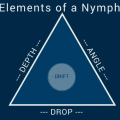
Elements of a Nymph Rig
Nymphing is a critical skill that every fly angler needs to develop if they want to be successful. That's largely why you'll see so many different nymphing resources available. If you can't nymph, you won't catch very many trout. That's also why Dom Swentosky, over at Troutbitten, has dedicated such an enormous part of his writing and discussion to going...
Orvis Podcast: New Nymphing Technique
Tom Rosenbauer sat down with George Daniel on the latest edition of the Orvis podcast to talk shop about a new nymphing technique. This is an entirely new nymphing technique George has been experimenting with, so anglers looking for a way to spice up their fly fishing game should give it a listen. They also discuss how criminally underrated 10-foot rods...
4 Simple Fly Fishing Strategies
Mastering foundational skills is a key for success in just about any endeavor, although it's especially pronounced in fly fishing. That's why Paul Weamer wrote this piece highlighting four simple fly fishing strategies, which you can read in full here.
Tying Tuesday: Tips on Soft Hackles
If you've ever wondered how to tie with soft hackles, or even what flies to use these feathers for, then this video from Fly Fishing the Ozarks is for you. Watch as Brian Wise takes you through a bunch of great tips on using and tying with soft hackles.
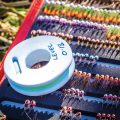
Euro vs Indicator Nymphing
Devin Olsen, who's competed for 11 years with Team USA Fly Fishing and runs Tactical Fly Fisher, penned a story about Euro and indicator nymphing for Gink & Gasoline. If you've been interested in the differences between the two methods, this is a must-read.
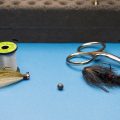
Streamer Presentations: Jigging
Dom Swentosky, over at Troutbitten, is putting together quite the in-depth series on streamer fishing techniques. His most recent addition covers the topic of jigging streamers, which I've personally found to be quite effective here in the Rockies. You can learn all about jigging streamers here.
Adjusting Your Rig
Have you ever stood in a river, knowing full well that your rig needed adjustment, but just didn't want to take the five minutes to add weight or flies? I've been there often, and that's usually when I tell myself something like, "I only want the fish that'll eat my dry fly anyways." Luckily, Dan Fraiser has some great advice on how to get out of this bad...
Opinion: Sharpening Hooks
I've never been of the mind that I need to sharpen my fly hooks. That's probably because I lose them in a tree or on a rock long before I'd dull them through continual use. Kent Klewein, over at Gink & Gasoline, though, proposes that you should be sharpening hooks, and perhaps more often than you think. Read his story here.
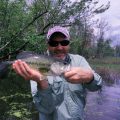
Fishing for Bass and Panfish in Weeds
In another installment of the Pro Tips series over at the Orvis blog, Phil Monahan goes into some great detail on fishing for bass and panfish among the weeds. With summer temps making trout fishing a less-appealing proposition lately, the opportunity to learn new ways to chase warm-water species is something we should all take advantage of. You can read...


