

Three Spey casts—the Double Spey, Snap-T, and Perry Poke—will effectively cover ninety percent of the water you’ll encounter on winter steelhead rivers. These foundation casts handle downstream wind, upstream wind, and heavy sink-tip situations respectively, giving you a safe, reliable answer to virtually any condition from British Columbia’s Skeena to Oregon’s Deschutes. Rather than chasing dozens of named Spey casts, mastering these three builds the muscle memory and adaptability that actually puts fish on the end of your line.
All three are waterborne anchor casts, meaning the fly stays in contact with the water during D-loop formation. This matters for winter steelheading because touch-and-go casts struggle to turn over the heavy sink-tips and weighted flies needed to reach fish holding deep in cold water.
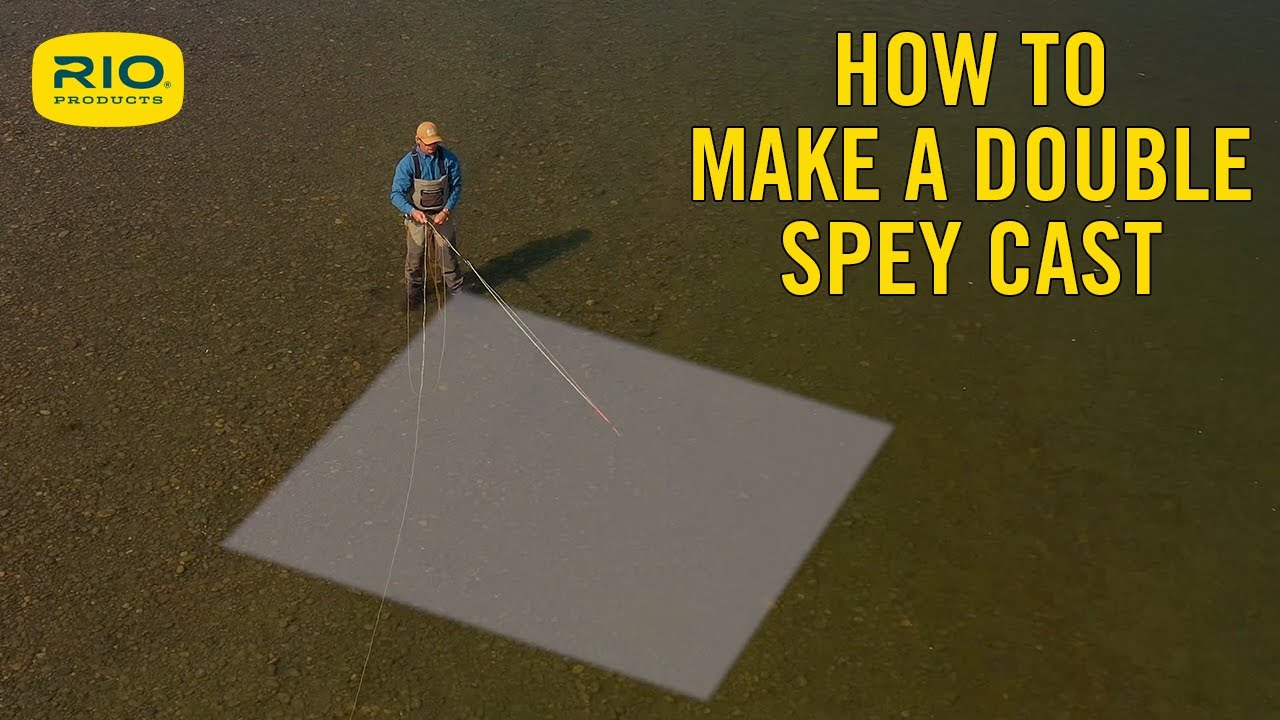
The Double Spey: Your Downstream Wind Cast
The Double Spey keeps your anchor safely on the downstream side when wind is blowing with the current—the scenario that makes other casts dangerous. Two sweeping rod motions set up the cast: first upstream to position the fly downstream of your shoulder, then back downstream to form the D-loop. The timing is forgiving, giving beginners more margin for error than faster-paced alternatives.
Execute the cast by starting with your line hanging downstream at the end of your swing. Sweep the rod upstream in a slow, rising arc until the fly lands about a rod’s length away, downstream of your casting shoulder. Immediately sweep back downstream and up to form your D-loop, then fire the forward cast when the rod loads deeply against the water tension.
The most common mistake is anchor placement too far out. If your fly lands halfway across the river instead of close to you, the cast loses all its energy. Slow down the initial sweep—the fly should land in your pocket, not out in the current.
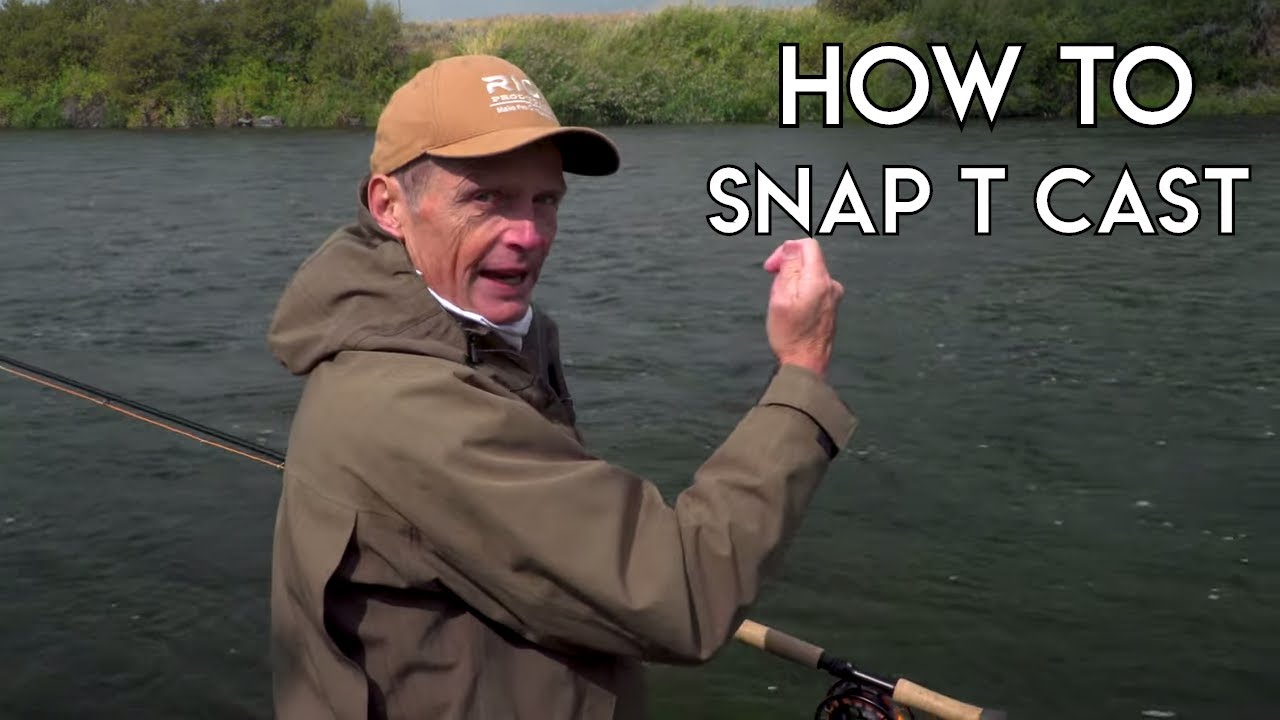
The Snap-T: Solving Upstream Wind
When wind reverses and blows upstream into your face, the Snap-T places your anchor on the upstream side where it belongs. Developed by Pacific Northwest casters specifically for Skagit lines and heavy tips, it’s become the standard upstream-wind solution for winter steelheading.
The cast begins with a curved lift upstream, raising the rod to eye level. When the rod reaches perpendicular to the bank, a quick downward snap—like drawing a check-mark—flips the fly upstream about a rod’s length away. Pause briefly to let the anchor settle, then sweep into your D-loop and forward cast.
The Snap-T also excels in tight quarters. Because the D-loop stays compact, you can execute it with brush or trees behind you that would doom wider casts.
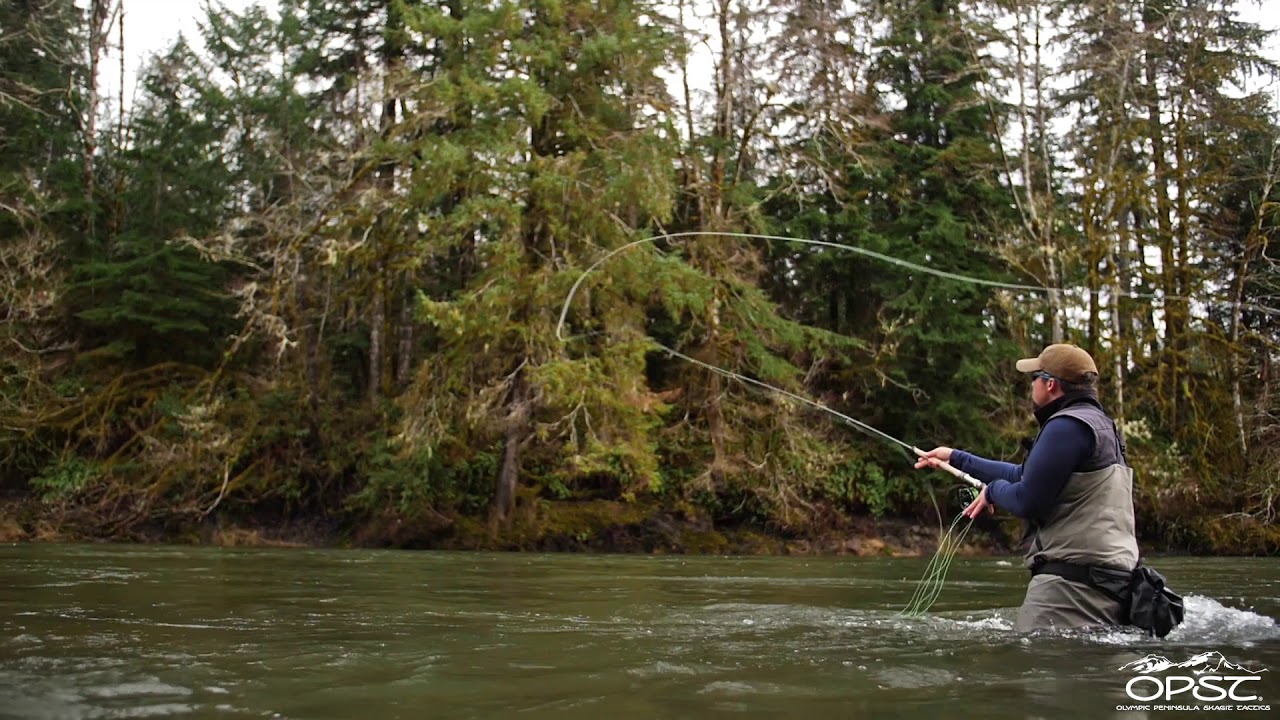
The Perry Poke: Your Universal Reset
The Perry Poke breaks the casting sequence into two stages: deliberately dump the line in a pile on the water in front of you, pause, then sweep into a D-loop and cast. This creates maximum anchor with zero stress—the line sits there while you reposition, breathe, or recover from a botched cast.
Named for originator Karl Perry and championed by Skagit master Ed Ward, this cast excels with the heaviest sink-tips. That T-14 that kept blowing your Snap-T? Poke it. The line that sank too deep? Poke it. Every problematic cast can transition into a Perry Poke recovery.
Execution requires restraint: dump the line close—almost at your feet—not out into the current. After the pause, sweep the rod outside and around the pile, circle up into D-loop position, and fire. The massive anchor provides so much resistance that the forward cast feels effortless despite throwing heavy gear.
Choosing the Right Cast
The decision is straightforward: downstream wind means Double Spey, upstream wind means Snap-T, and the Perry Poke handles heavy tips or any situation where you need a reset. Always cast on your downwind shoulder—when the breeze blows with the current, anchor downstream; when it blows against the current, anchor upstream.
Master these three casts before chasing snake rolls or competition-style distance casts. The fundamentals will serve you on every steelhead river you fish.
Frequently Asked Questions
Which Spey cast should beginners learn first?
Start with the Double Spey. Its two-part sweeping motion provides more time to set up the anchor and feel the rod load, making timing more forgiving than faster casts. Once you can consistently place your anchor a rod’s length away and form a clean D-loop, add the Snap-T for upstream wind situations.
What’s the difference between a Snap-T and a Single Spey?
Both casts place the anchor upstream, but the Snap-T is a sustained-anchor cast while the Single Spey is touch-and-go. The Snap-T works better with heavy sink-tips and weighted flies because the fly actually settles on the water before you cast, providing more resistance to load the rod deeply.
When should I use a Perry Poke instead of a regular Spey cast?
Use the Perry Poke when throwing very heavy sink-tips (T-11 or T-14), when you’ve botched another cast and need to recover, or when limited backcast room prevents a proper D-loop. The deliberate pause after dumping the line lets you reset mentally and physically before firing.
How do I know if my Spey anchor is in the right place?
Your anchor should land about one rod length away from you, positioned 45 degrees off your casting shoulder on the downwind side. If your casts feel sluggish or the line won’t turn over, your anchor is probably too far out—the most common mistake among new Spey casters.
Can I Spey cast with a single-hand rod?
Yes, using a technique called Spey casting with a switch rod or even a standard 9-foot rod with a Skagit-style line. However, the leverage and line control of a 12- to 14-foot two-handed rod makes these casts significantly easier to execute, especially with heavy sink-tips.


