
Before streamer season, most fall fly fishing gear is cheaper to fix than to replace, and the new waders in the September sale email are usually the last thing you need. Re-treat the water-repellent coating that’s making your legs feel clammy, patch pinholes with a $10 tube of Aquaseal, and pull-test your heavy tippet instead of buying new. The one upgrade worth the money is a way to sink a streamer, and that starts at about $25.
Here’s how the audit breaks down, in order of what to check first.
Waders: Fix, Don’t Replace
The cold, clammy feeling most anglers call a leak usually isn’t one. Breathable waders have a waterproof membrane under a face fabric treated with a durable water repellent (DWR) coating. When that coating wears off, the outer fabric soaks through and “wets out,” feeling wet against your leg even though nothing is leaking. A wash-in treatment like Nikwax TX.Direct or Grangers, about $15 to $20, restores it.
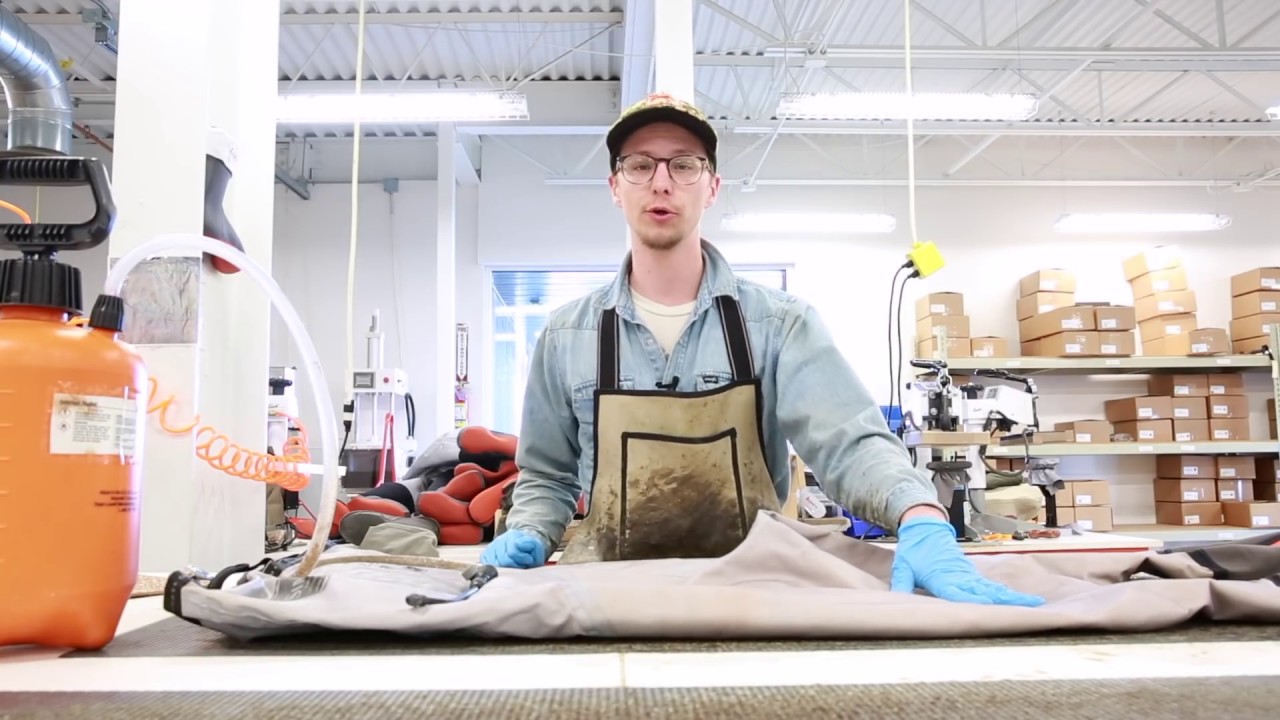
If you do have a real leak, price the repair before a replacement. A body pinhole is a DIY fix with Aquaseal+FD (under $10); avoid Super Glue, which cures rigid and cracks. Send seams and booties to the manufacturer instead, since a DIY seam fix can void some warranties. Beyond the first year, Simms charges a flat $60 covering repair, testing, and return shipping, with a turnaround around three weeks. Orvis covers defects and offers a 60-day no-questions replacement. Against a $300 to $700 wader, repair wins almost every time. And if you are buying, a mid-tier wader ($250 to $400) uses a membrane functionally identical to guide-tier models, so most anglers who fish a handful of days a year don’t need the $700 pair.
Presented by MidCurrent Plus
This article can’t see your water. Our editors can.
M+ members ask MidCurrent’s editors about their own rivers — hatches, flies, timing — and get real, specific answers back.
Become a M+ Member →Wading Boots: Studs and Re-Glues Beat New Boots
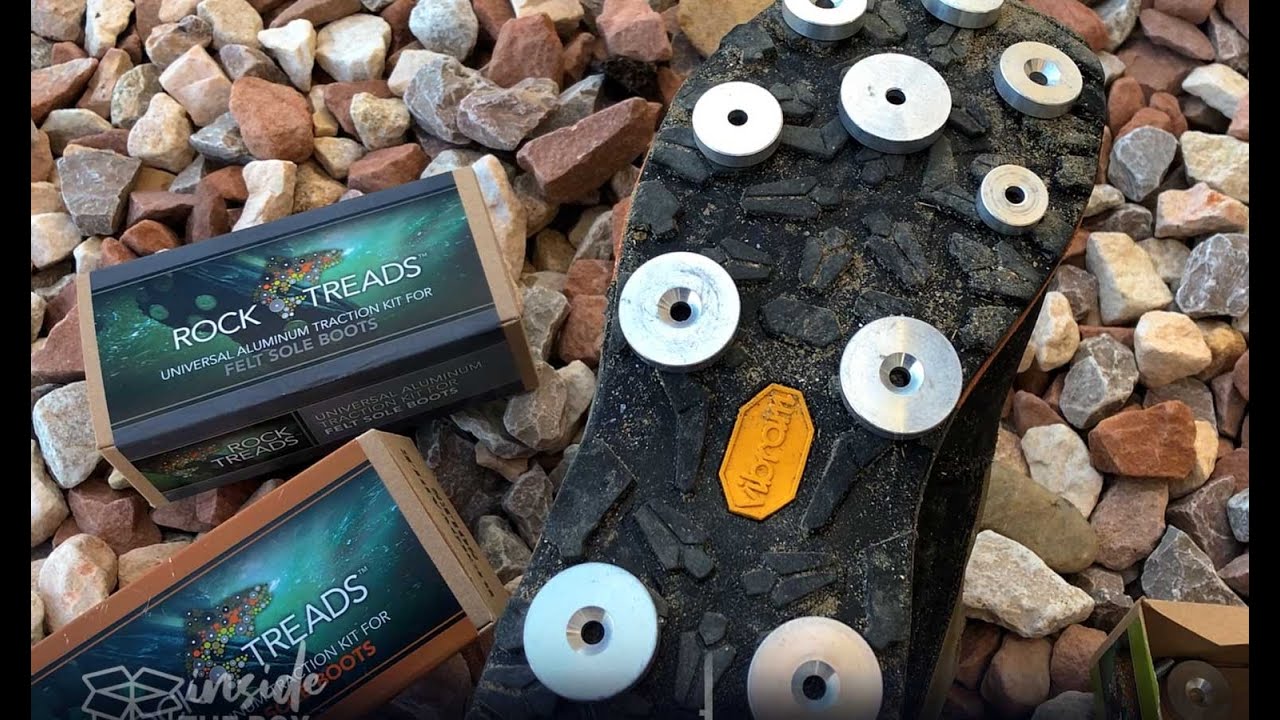
Boots aren’t your waterproof barrier, the wader’s neoprene bootie is, so a wet boot interior is normal. Boots fail on traction, in two different ways. Worn tread is gradual and fixed with carbide or aluminum studs ($15 to $40). Delamination, the sole peeling off, looks worse but a cobbler can re-glue a felt sole for around $10 (or use Shoe-Goo yourself). Only sometimes do you actually need new boots.
If you replace soles, felt grips slick rock best but is banned in some places. As of this fall, felt is banned in Alaska, Maryland, Missouri, Nebraska, Rhode Island, South Dakota, and Yellowstone National Park. Online ban lists are often outdated, so check your state’s fish and wildlife agency before buying.
The One Upgrade Worth Buying: Getting a Streamer Down
The real reason many anglers catch fewer fall fish is a summer line setup: a floating line and nine-foot leader keep the fly in the top foot while trout hold four to six feet down. The cheapest fix is a polyleader or VersiLeader (Airflo or RIO, $20 to $30) that loops onto your existing floating line. A full sink-tip line ($90 to $130) is an upgrade, not a requirement.
If you buy a sink-tip line, remember that sink rate isn’t grain weight: grain matches the line to your rod, while sink rate sets the depth. For moving-water trout, a 200- to 350-grain sink-tip covers most conditions. Rig it short, three to four feet of 0X to 2X fluorocarbon, to keep the fly down where it belongs.
The bottom line: re-treat, repair, and pull-test before you replace, then spend your gear budget on a polyleader rather than a wader. The best wader deals show up on last year’s models whenever they clear, not on the September sale banner.
FAQ
Do I need new waders for fall streamer fishing?
Usually not. Most waders that feel worn are cheaper to fix than replace: a $15 to $20 DWR treatment cures the clammy “wetting out” that gets mistaken for a leak, and real leaks patch for under $10 (body) or $60 (seams, at Simms). Buy new only when a wader is genuinely beyond repair.
How do I know if my waders are leaking or just wetting out?
Turn them inside out and spray isopropyl alcohol on the suspect spot; a real leak shows as a dark patch where it wicks through. If there’s no breach, the cold-wet feeling is the outer fabric soaking through after the water-repellent coating wore off, which a wash-in treatment fixes. Don’t hang and fill waders with water, as the weight stresses the seams.
What’s the cheapest way to fish streamers deeper in fall?
A polyleader or VersiLeader, about $20 to $30, that loops onto the floating line you already own. It sinks the fly without the cost of a dedicated sink-tip line ($90 to $130) and is the best option for anglers new to sinking presentations.
What sink-tip grain weight should I use for trout streamers?
A 200- to 350-grain sink-tip covers most moving-water trout fishing. Grain weight matches the line to your rod, not the depth, so step up in grains only to reach fish holding deeper or in faster water. Many guides run 200 to 240 grains on a 6-weight for fall floats.
Is felt banned in my state?
As of this fall, statewide felt bans apply in Alaska, Maryland, Missouri, Nebraska, Rhode Island, and South Dakota, plus Yellowstone National Park. Online lists frequently include states that have repealed or never enacted bans, so confirm with your state’s fish and wildlife agency before you buy.


