
The best night surf fly fishing gear is the gear that lets you keep the light off: a red-first headlamp rated IPX7 or higher, a stripping basket you can run by feel, and pre-rigged leaders you can swap in the dark. During the fall striped bass run, when bass feed shallow after dark, those three pieces matter far more than headline lumens, because your own night vision and quiet line management do more for you than any bright light can.
Why a Red-First Headlamp Beats a Brighter One
For night fishing, red-first design beats raw brightness. A white flash resets your dark adaptation for twenty to thirty minutes, while a dim red beam lets you tie a knot, wade, and land a fish with most of your night vision intact. Look for red as the first light on, so a reflex tap never blasts white, plus a lock-out mode, brightness memory, one-button operation, and waterproofing rated IPX7 or IPX8 for surf.
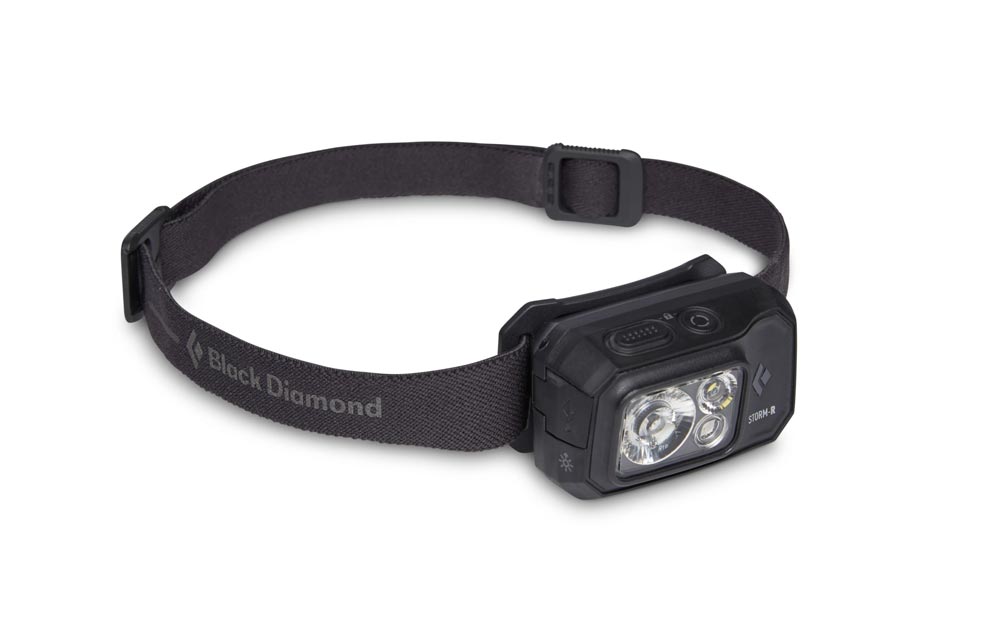
The Black Diamond Storm 500-R (about $65, rated IP67 and good for a one-meter dunk) and Storm 400 (about $50) carry the full feature set and clear the surf threshold, which makes them common surf picks. The Princeton Tec Remix Pro (about $50–60) is favored by night striper anglers for its red-first, three-LED design. Skip splash-only IPX4 lamps like the Petzl Actik Core for surf, and skip high-lumen lights like the 2,700-lumen Coast XPH34R entirely. A neck or clip light such as the Olight Oclip Pro S (about $50) aims light down at your hands and avoids blinding others.
One marketing note: green and blue light are not as night-vision-safe as red. Green is brighter and better for reading a knot, but it costs more of your dark adaptation than red does. Use red as the default and green only when you accept the trade.


Less than $5 a month, with the yearly plan
Full M+ membership — ask the experts, member gear discounts, and new free guides every month. Cancel anytime.
Stripping Baskets and Line Management by Feel
A stripping basket is essential surf gear, and drain holes are a wading-depth decision, not a quality upgrade. In deep water, drain holes become intake ports that fill the basket, create drag, and pin your line to the bottom. Choose a walled basket for deep or windy conditions and a sideless platform for shallow, fast-stripping water.
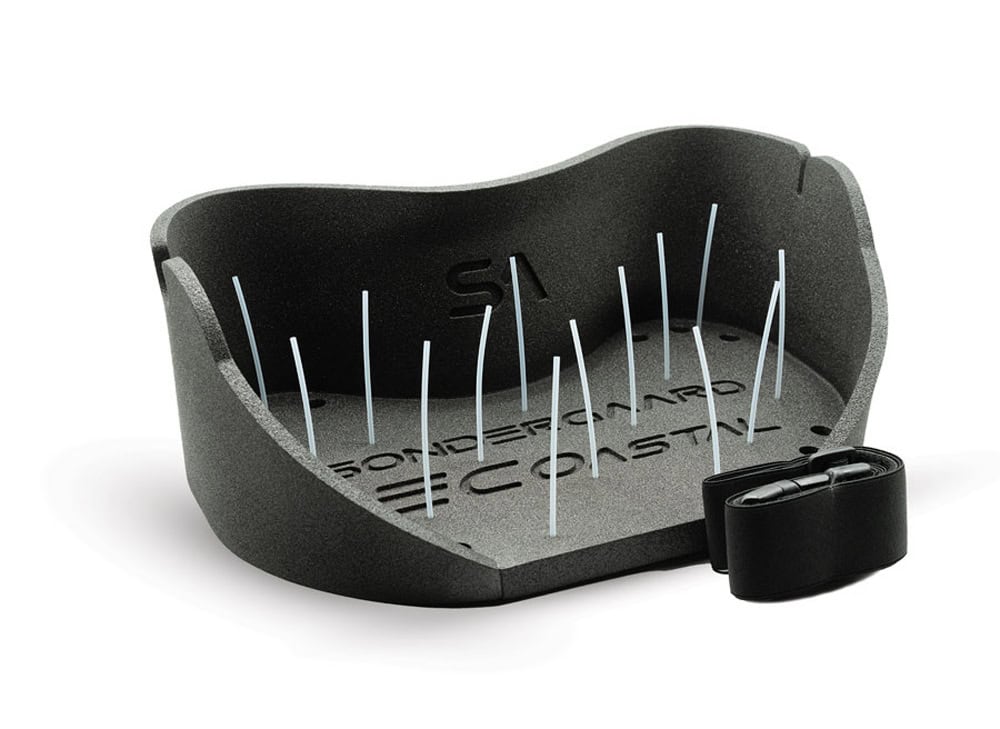
The LineKurv (about $99), Scientific Anglers ECOastal (about $100), and Orvis basket (about $90) are rigid walled trays with cones or spikes. The Loon or Ahrex Flexi Stripper (about $60) is a sideless platform that allows long, fast strips but blows line out in wind. A DIY dishpan with weed-trimmer-mono spikes costs about $12 and works well. Wear the basket on the hip opposite your casting hand, and shift it downwind in a crosswind.
For rigging in the dark, build for touch. Use welded loop-to-loop connections and short, heavy, simple leaders of 20-to-40-pound material so you can swap a pre-rigged leader by feel. An intermediate line suits most surf work; switch to a 400-to-500-grain integrated head for deeper or bigger fish, and match your basket depth to the running line.
Wading Safely in the Dark
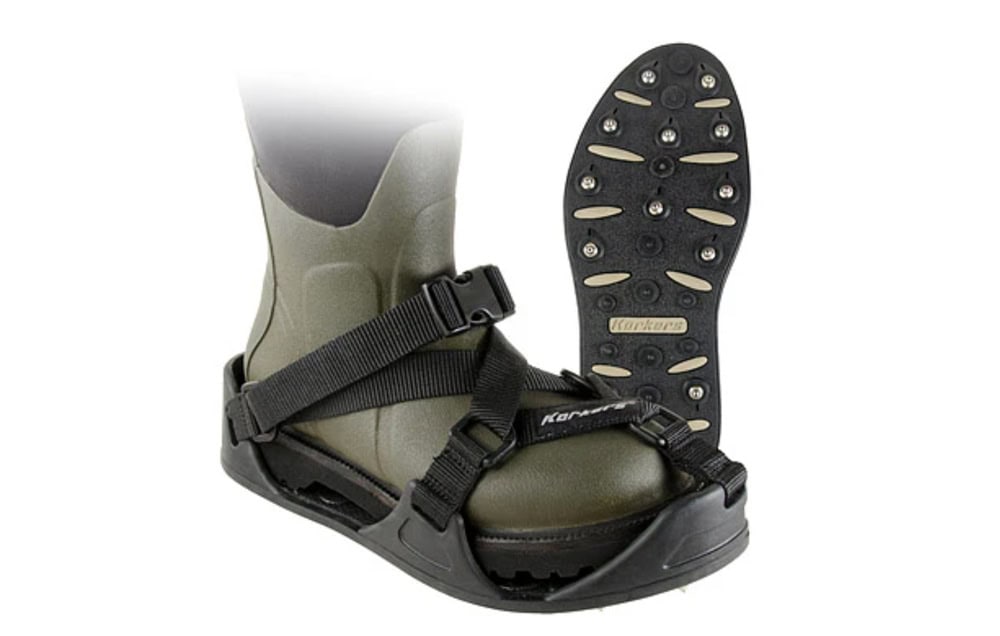
Scout in daylight at low tide, note holes and drop-offs, and find your exit before fishing a spot after dark. A wading belt is the first piece of safety gear because it limits water inrush and traps air. Add studs or cleats for rock and slime (Korkers Rocktrax, about $80–90), high boots with ankle support, and an inflatable PFD for jetties and solo sessions.
Despite the common belief, waders do not “drag you down.” A peer-reviewed review found no published evidence that waders cause drowning, and neoprene actually trends toward flotation. The real risks are lost mobility, cold-water shock, and being swept, so a belt, mobility, cold protection, and a PFD matter more than fear of the waders. For rock ledges, many anglers prefer a wetsuit, which won’t fill, helps you float, and cushions a fall.
Bottom Line
For fall night surf, prioritize a red-first, waterproof headlamp, a stripping basket matched to how deep you wade, leaders you can rig by feel, and honest wading safety. The fall run puts bass in the wash after dark from late August onward, and the angler who can fish without a light is the one who catches them.
FAQ
What is the best headlamp for night surf fly fishing?
A red-first headlamp rated IPX7 or IPX8 is best for night surf fishing. The Black Diamond Storm 500-R and Princeton Tec Remix Pro are common picks because red comes on first, they lock out to prevent accidental drain, and they survive salt spray and a brief dunk. Avoid splash-only IPX4 lamps and very high-lumen models.
Does white light really spook striped bass?
There is no controlled study proving white light spooks stripers, and anglers report catching them under bright light. The stronger reasons to keep white light off are protecting your own night vision, which a white flash resets for 20–30 minutes, and not disturbing the bait. On calm, shallow water light matters more; on deep or already-lit water it matters less.
Do I need a stripping basket for surf fly fishing?
Yes, a stripping basket is essential for managing running line in the surf. Choose a walled basket with cones for deep or windy conditions, and a sideless spike platform for shallow water and long, fast strips. Avoid drain holes for deep wading, where they let water into the basket.
What fly line is best for the surf at night?
An intermediate line is best for most surf fishing because its slow sink keeps the fly from planing in turbulent water. For deeper or larger fish, switch to a fast-sinking integrated head of 400–500 grains with a short, heavy leader. Both let you feel the head-to-running-line transition in the dark.
When does the fall striped bass run start?
The fall striped bass run begins in southern Maine and Massachusetts in late August and early September, then moves south through the fall. Bass feed most aggressively during this run and move shallow to feed after dark, which makes late summer and early fall the prime window for night surf fishing on the leading edge of the migration.


