

The Outer Banks offers productive fly fishing in April, with red drum as the primary target on both sound-side flats and oceanfront surf, plus a conditional window for false albacore near Oregon Inlet as water temperatures push into the low 60s. April averages about 60.7°F at Oregon Inlet Marina — warm enough to activate drum but only marginally in range for pelagics — making this a transitional month where wind direction, not tide charts, drives the daily plan. For mid-Atlantic anglers willing to work around access constraints and unpredictable weather, April delivers the year’s first shot at citation-class drum on nearly empty water.
Red Drum on the Flats and Surf
Red drum are April’s most reliable fly-rod target across the Outer Banks. Scattered fish appear on southern beaches from Cape Point to Ocracoke starting in early April, with local shops reporting slot-sized drum (18–27 inches) and occasional citation fish over 40 inches as stable warming patterns build. Sound-side flats in Pamlico, Croatan, and Roanoke Sounds hold tailing redfish feeding on crabs and shrimp in shin-deep water — classic sight-fishing conditions on days when wind allows visibility.
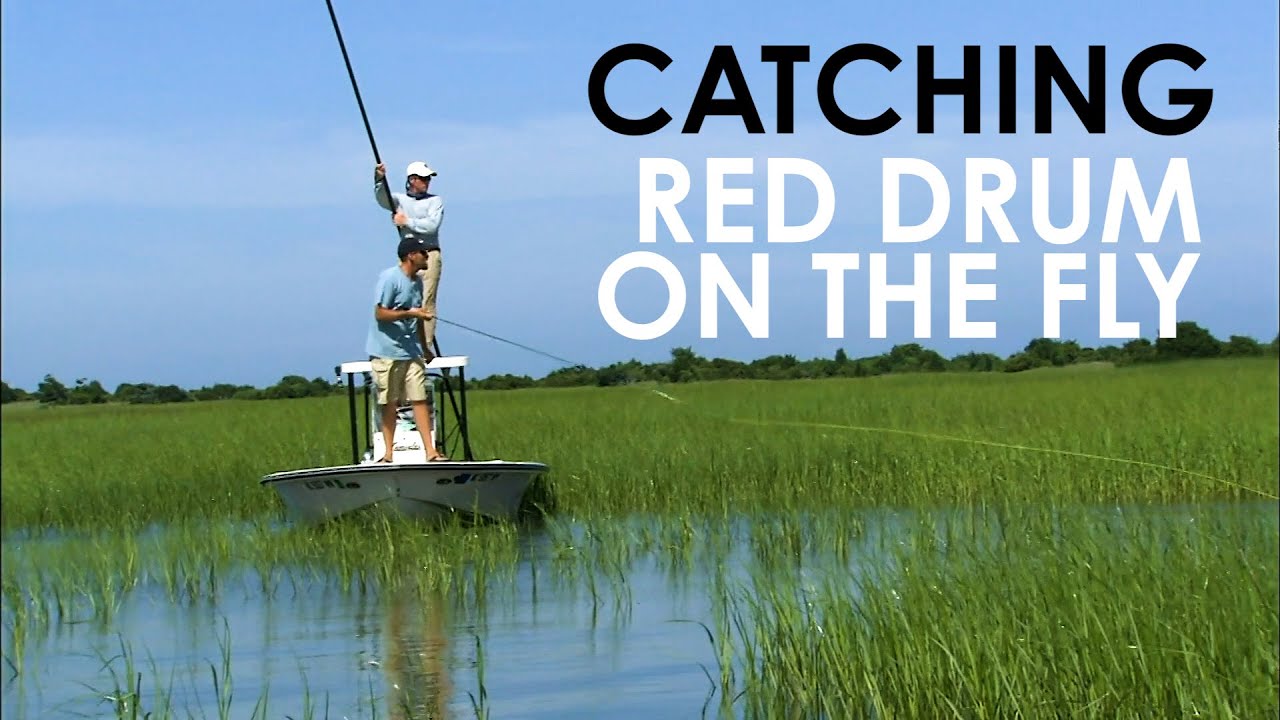
Fly selection splits by fishery. On flats, a Kwan in size 2–4 (tan or olive) imitates the crab-shrimp prey base that drum target in shallow water. For surf and inlet fishing, Clouser Deep Minnows in sizes 1/0–2 (chartreuse/white or olive/white) cover the baitfish profile. An 8-weight handles the sound; bring a 9-weight for the beach, where 15-mph average April winds demand more backbone.
Southwest wind is the key trigger — it pushes warmer water and baitfish onto Cape Point’s convergence zone, concentrating the biggest drum of the spring. The first citation-class fish of the year — some pushing past 46 inches — typically appear at the Point during sustained southwest wind events in mid-April. Northeast blows drain the flats and make surf casting difficult. Check wind forecasts 48 hours out rather than relying on tide tables alone, because Pamlico Sound water levels respond primarily to wind, not lunar cycles. Bluefish also begin arriving in April, showing in both the sound and off the beach; the recreational bag limit increased to 5 per day for private anglers as of January 2026.
The Conditional False Albacore Window
False albacore migrate north through North Carolina’s coastal waters in April and May, creating a brief spring run that most anglers overlook entirely. The window is real but unreliable — water needs to hold in the 60s with bait present near inlet mouths for albies to show within fly-casting range. The second half of April, during warm pulses, offers the best odds.

When albies appear, sparse, translucent flies in sizes 2–6 outperform larger patterns. Surf Candies, EP Minnows, and small Clousers in white or light profiles match the silversides and juvenile herring moving through Oregon Inlet. Albies feed on schooling baitfish, herrings, sardines, and scads — so matching the size and translucency of whatever forage is present matters more than pattern choice. A 2026 study estimated little tunny postrelease survival at roughly 77%, with jaw-hooked fish surviving at far higher rates — making barbless hooks and fast fights a practical priority, not just good etiquette.
Access and Logistics Worth Planning Around
Beach driving through Cape Hatteras National Seashore requires an ORV permit ($50 for 10 days, $120 annual), and seasonal route closures begin April 15 — effectively splitting the month into two different access realities. Check the NPS ramp-status page before every trip to the beach; hazard closures from structural collapses have restricted access in recent years without warning.
Norfolk International Airport is about 100 miles north, making this one of the East Coast’s most drivable saltwater fly destinations. A nonresident 10-day NC Coastal Recreational Fishing License costs $14. Cape Point Campground runs $20/night. For guided trips, Outer Banks Fly Fishing (operating since 1993) and Fly Fishing OBX both cover sound and nearshore water and are worth booking well ahead for April dates.
April won’t deliver October’s sustained multi-species chaos, but it offers something October can’t: the year’s first big drum, the possibility of spring albies, and water you’ll have almost entirely to yourself.

What flies work best for Outer Banks red drum in April?
A Kwan in size 2–4 (tan or olive) is the top choice for sight-casting to tailing drum on sound-side flats, matching their primary crab and shrimp diet. For surf fishing, Clouser Deep Minnows in sizes 1/0–2 handle the baitfish patterns drum chase along the beach. Carry both — the fishery you encounter on a given day depends on wind and water conditions.
When do false albacore show up on the Outer Banks in spring?
False albacore typically appear in April and May during their northward coastal migration, but the spring run is significantly shorter and less reliable than the well-known fall season. Your best odds are the second half of April, during sustained warm spells that push water temperatures into the low-to-mid 60s near Oregon Inlet.
Do I need a beach driving permit to fish Cape Hatteras?
Yes — an ORV permit from the National Park Service is required to drive on Cape Hatteras National Seashore beaches. A 10-day permit costs $50 and an annual permit is $120. Seasonal closures on some routes begin April 15, so plan accordingly and check the NPS conditions page for real-time ramp status updates.
What is the red drum size limit in North Carolina?
North Carolina enforces an 18-inch minimum and 27-inch maximum total length slot limit for red drum, with a one-fish-per-day bag limit in coastal waters. Fish over 27 inches must be released immediately, and red drum harvest is prohibited entirely in federal waters (EEZ).
How windy is the Outer Banks in April?
April averages about 15.2 mph — one of the windiest months on the Outer Banks. Wind direction matters more than speed for fishing: southwest winds push warmer water and fish onto Cape Point and sound-side flats, while northeast winds drain flats and make surf fly fishing difficult. Plan your daily approach around wind forecasts, not just whether it’s blowing.


