
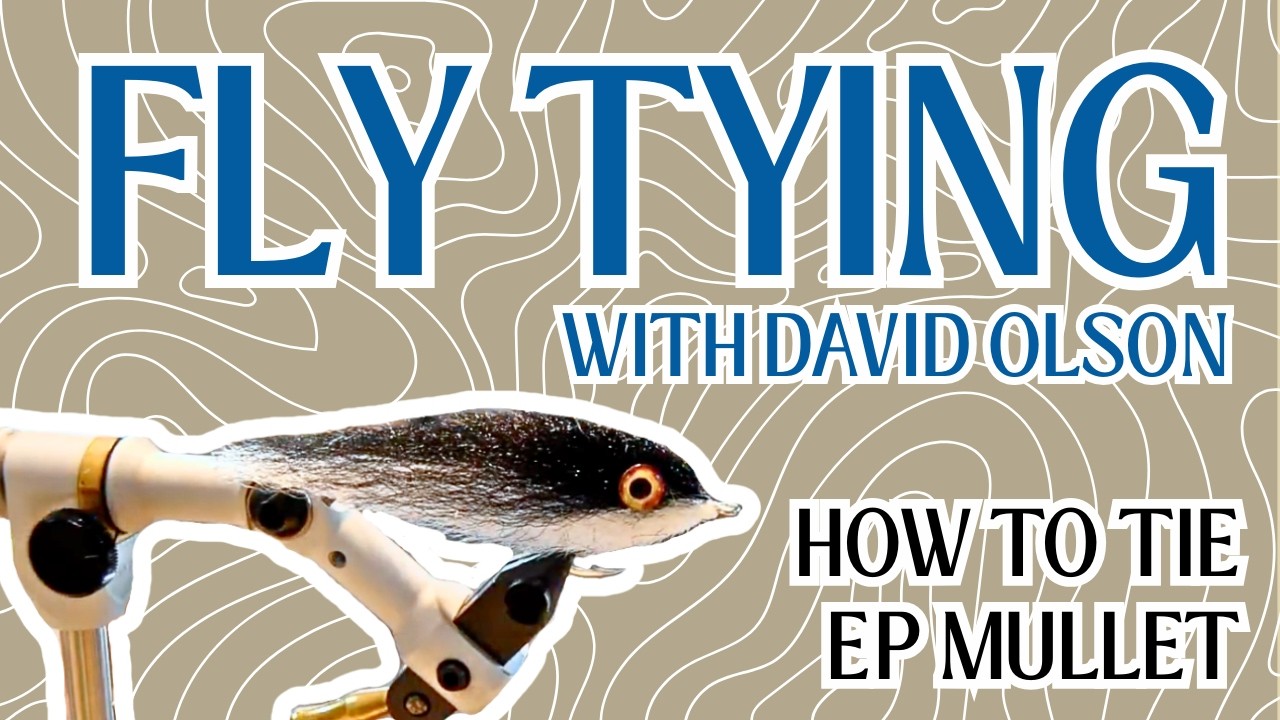
The best flies for the fall mullet run are wide-bodied, water-pushing patterns three to five inches long on No. 1 to 3/0 hooks: an EP Mullet, Chicone’s Five-Minute Finger Mullet, a Sea-Ducer, a Half ‘n’ Half to get down, and a hollow-tied profile for adult-mullet feeds. But the pattern matters less than where you put it. Predators track the mullet’s wide, blunt silhouette, so profile gets you in the game, but during a heavy run the harder problem is getting one fly noticed inside a school of thousands of real ones, and position and depth do most of that work.
What size and profile to fish
Match the juveniles, not the adults. Gamefish key on finger mullet, so build the box around three- to five-inch flies on No. 1 to 3/0 hooks; that covers most days. Step up to five to seven inches only for a feed keyed on adult mullet or for big tarpon in the surf, where a hollow-tie gives you bulk without a fly too heavy to cast.
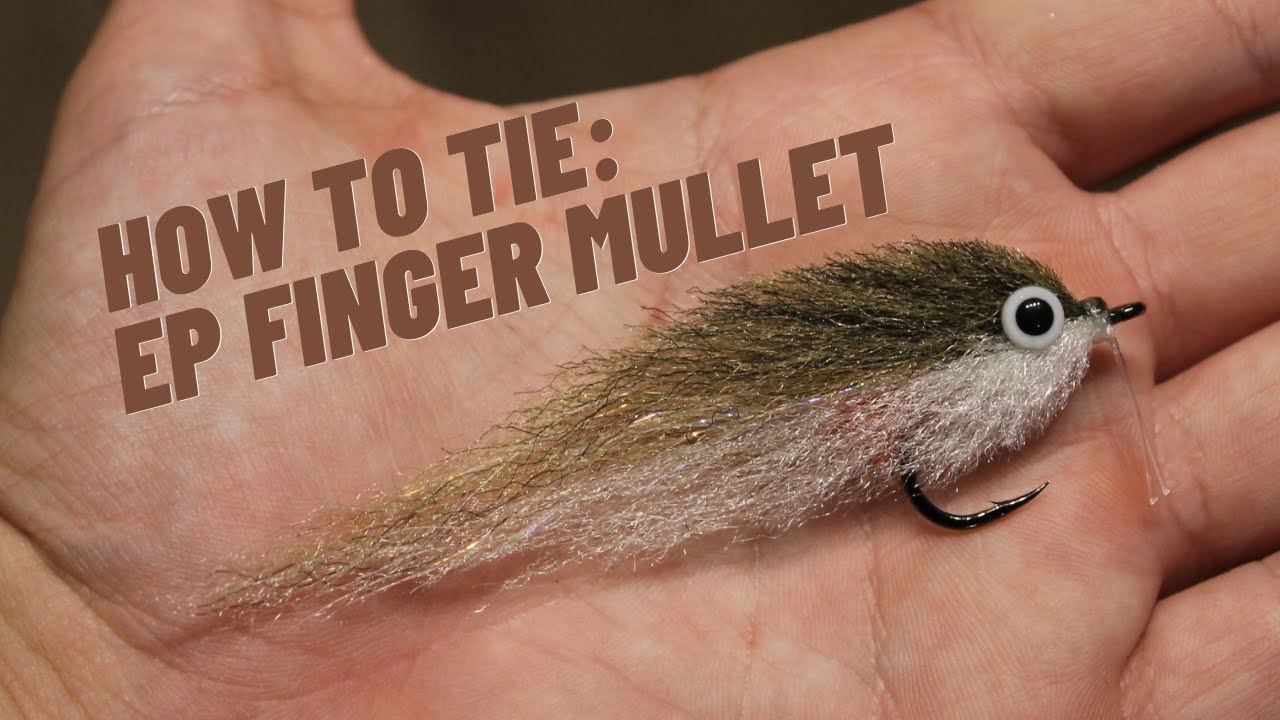
Width matters more than length. A fat three- to four-inch fly on a 1/0 or 2/0 hook usually outfishes a long, thin six-inch streamer, because the blunt, water-displacing shape is what a predator finds by its lateral line in low light and stained water. That’s the design behind patterns like Drew Chicone’s Five-Minute Finger Mullet and the various wide-body and Woolhead mullets: a broad head that pushes water when you strip it.
What colors to carry
Carry two color groups. For matching the naturals, stock white, silver, and green-over-white for light silver mullet on a clear beach, plus darker olive, gray, and brown for the muddier fingers in stained back-bay water. For most conditions, that’s the default, and it catches fish.
The second group is the one anglers skip. When a run is heavy and standard colors aren’t producing, dark and off-match patterns, all-black, dark olive, sometimes purple, often start getting bit. A dark silhouette stands out against a bright surface and reads clearly in a crowd of near-identical silver naturals. Add a couple of gaudy colors, chartreuse or hot pink, to break a fly out of the crowd when nothing else works. A box stocked only in silver and white is under-gunned for the peak of the run.
How to fish them
Work the perimeter, not the middle. Cast to the far side of the school so the fly swims back along the outside edge, where cruising snook, tarpon, and jacks single out stragglers. A clear intermediate line on a 9- or 10-weight is the default for the open beach; it puts the fly two to three feet down, under the surfaced crowd and into the water where fish actually hold. Carry a floating line for topwater over grassflats and a faster sinker for getting deep at night or around bridges.
Keep leaders short, five to eight feet, and let the sinking line do the depth work. Choose heavy fluorocarbon bite tippet, 30 to 60 pounds by species, for abrasion resistance against raspy snook, bridges, and toothy blues and mackerel, not for invisibility; during the blitz the fish are keyed on food, not line-shy. Retrieve with long one- to two-foot draws and pauses, and when bait showers, cast in, let the fly sink, then strip it erratically like a wounded mullet.
Where and when
Fish inlets, jetties, and passes first, since they funnel the migration through a choke point, then beaches with a deep first trough. First pods show in late August; the run builds through September and peaks mid-September into October. Tarpon, snook, and jack crevalle are the headline fish, but bluefish, ladyfish, Spanish mackerel, redfish, and seatrout keep the rod bent on most days. On Florida’s Atlantic coast, snook harvest reopens September 1 during the run, though rules change often, so confirm current slot, season, and permit requirements with the FWC before keeping a fish.
The short version: fish a wide three- to five-inch profile, work the edge of the school a couple of feet down, and carry a few dark flies for the days the naturals win.
Frequently Asked Questions
What size fly is best for the mullet run?
Three to five inches on a No. 1 to 3/0 hook covers most of the fall run, because gamefish key on juvenile finger mullet rather than adults. Go bigger, five to seven inches, only for adult-mullet feeds or big tarpon, and note that a fat, wide profile matters more than length.
What color flies work best during the mullet run?
Start with white, silver, and green-over-white to match light beach mullet, and darker olive, gray, and brown for stained back-bay water. When standard colors stop producing in a heavy run, switch to all-black, dark olive, or purple, which stand out against a crowd of real silver mullet.
What fly line should I use for the mullet run from the beach?
A clear intermediate (slow-sinking) line on a 9- or 10-weight is the standard beach choice, because it gets the fly two to three feet down, under the surfaced bait where predators hold. Carry a floating line for topwater and a faster-sinking line for fishing deep at night or around bridges.
Do I need heavy leaders for the mullet run?
Yes, but for abrasion resistance, not stealth. Snook gill plates, bridge pilings, sandbars, and toothy bluefish and mackerel all cut light tippet, and during the blitz the fish are keyed on food rather than line-shy, so a 30- to 60-pound fluorocarbon bite tippet costs you no bites.
When is the fall mullet run in the Southeast?
First pods appear in late August, the run builds through September, and it peaks from mid-September into October before tapering as water cools. Any one beach usually sees a local peak of about two weeks, and the early part of the run often draws the most snook and tarpon.


