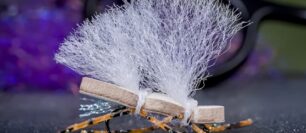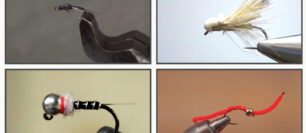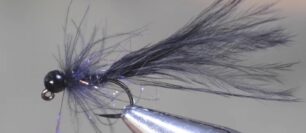

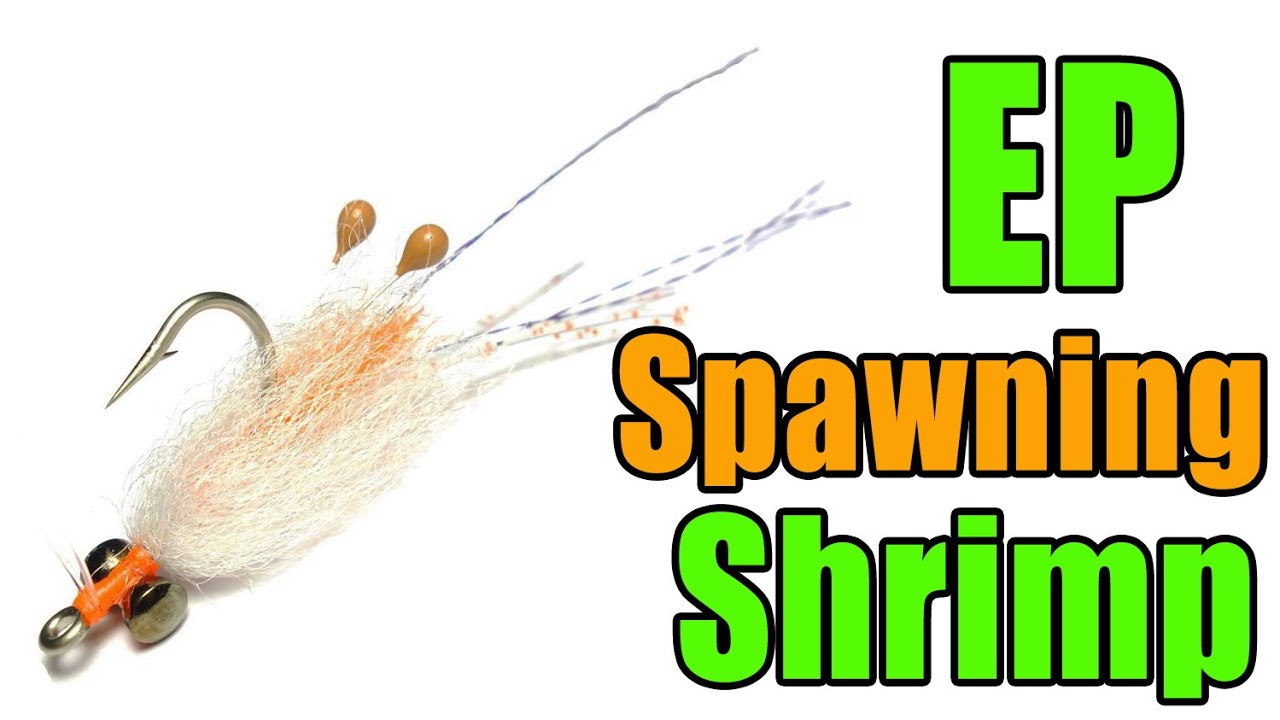
The EP Spawning Shrimp — designed by Enrico Puglisi around his translucent synthetic brush system — is one of the most versatile shrimp patterns for March flats fishing, covering both redfish and bonefish with a single silhouette that can be tuned by weight and color in about fifteen minutes at the vise. The pattern’s EP fiber body absorbs zero water, stays translucent after repeated casting, and costs under $2 per fly in materials compared to $9.95 for the commercial version. By tying just three colors (tan, olive, rootbeer) in two weights (bead-chain eyes and lead eyes), you build a six-fly system that handles more March flats situations than a box full of unrelated shrimp patterns.
EP Spawning Shrimp Recipe and Materials
The recipe converges across multiple authoritative sources — Fly Fishers International’s Saltwater Skills Award curriculum and the Deneki Outdoors editorial tie — with only minor head-material variations.
Hook: Mustad S71SAP #4 or Tiemco 811S (sizes 1/0–8 for larger redfish versions). Thread: UTC or Danville 140 denier, tan. Eyes: Silver bead-chain for shallow water; lead dumbbell for depths of 2+ feet. EP Mono Eyes ($2.95/24 pack) add realism without weight. Hot spot: Hot-orange Ice Dub or Senyo’s Laser Yarn, built near the rear third of the shank to suggest the orange egg mass carried by spawning shrimp species. Legs: Barred rubber legs (tan) and 2–3 strands of black Krystal Flash. Body: EP Shrimp Dub Brush in tan (0.75-inch or 2-inch width, $14.95 for six 10-inch brushes) or loose EP fibers spun in a dubbing loop.
Sponsored content

Win a St. Croix Evos S Fly Rod.
Sign up for a quarterly or yearly MidCurrent Plus membership by March 31, and be automatically entered in our drawing!
The tying sequence runs: secure eyes at the hook eye, build the orange hot-spot dubbing ball near the bend, tie in mono eyes and legs, attach the brush or begin the dubbing loop, then wrap forward with open, loose wraps — preening fibers rearward after each turn. Brush out trapped fibers and trim to a tapered shrimp profile. Add a double-mono weed guard for grass flats.
One counterintuitive key: wrap the brush with wider spacing than feels right. Open wraps produce the translucency and independent fiber movement that make this pattern effective. Overdressing kills both the action and the realistic light transmission.
Choosing the Right Weight and Color for March Flats
March water temperatures swing between warm spells (mid-70s°F, with bonefish actively mudding on shallow flats) and post-front crashes (below 68–70°F, pushing fish deeper). Redfish similarly move to find warmer water below 70°F and may stop feeding below 52°F. This variability makes weight selection — not color — the most important daily decision.
Bead-chain eyes produce a slow sink rate suited for water under one foot deep, keeping the fly above grass and landing softly enough to avoid spooking post-front fish. Lead or dumbbell eyes sink fast for water two feet or deeper, where fish are holding along channel edges or in potholes. For color, match the bottom: tan or white over sand and marl, olive over turtlegrass and dark vegetation, rootbeer over mixed or dark sand bottoms. All three carry the orange hot spot.
An often-overlooked adjustment: lengthening your fluorocarbon tippet by 18–24 inches and dropping to 8 lb test can help a bead-chain fly reach bottom depth without the heavy splashdown of lead eyes — useful when March conditions put spooky fish in moderately deep water.
Why the EP Brush Body Outperforms Traditional Shrimp Ties
EP fibers are non-absorbent, translucent, and UV reflective — properties that matter practically, not just on the spec sheet. A pattern that doesn’t gain weight after twenty false casts maintains its casting feel and intended sink rate throughout a session. The stainless steel wire core of pre-made brushes adds durability that outlasts natural-material shrimp patterns by a wide margin. For tiers who want more control, spinning loose EP fibers in a dubbing loop produces a thinner, lighter body that lands even softer — a deliberate advantage when spring redfish become selective on clear, calm post-front days.

Fly Fishing's Easy Button
SIGN UP FOR MIDCURRENT PLUS TODAY! MidCurrent Plus gives you guides, expert answers, even-more-detailed articles, and gear tips — matched your waters and your fish. Plus great gear discounts. All for less than $5 a month.
What hook size should I use for an EP Spawning Shrimp?
A size #4 hook (Mustad S71SAP or equivalent) is the standard for bonefish-sized Spawning Shrimp. For redfish, tie on a Tiemco 811S in sizes #2 to 1/0 to match the larger shrimp profile redfish expect in marsh and grass-flat environments.
Can I tie an EP Spawning Shrimp without pre-made brushes?
Yes — spin loose EP fibers in a dubbing loop using a dubbing spinner or hook to create your own brush-like body. This method produces a thinner, more translucent body and costs less per fly since EP Fibers run $8.95 per pack versus $14.95 for pre-made brushes.
What colors work best for bonefish on the flats?
Tan, white, and olive with an orange hot spot are the most consistently productive EP Spawning Shrimp colors for Keys bonefish, according to multiple Florida Keys fly shops. Match color to bottom type: tan over sand, olive over turtlegrass, and rootbeer for darker mixed bottoms.
Do I need a weed guard on a Spawning Shrimp?
A double-mono weed guard is strongly recommended for any grass-flat fishing — redfish or bonefish. It adds about thirty seconds to the tie and prevents constant retying when fishing turtlegrass, marl edges, or any bottom with vegetation.
How much does it cost to tie an EP Spawning Shrimp versus buying one?
Core materials (hook, eyes, brush) run approximately $1.15–$1.60 per fly, with total cost under $2 when you add thread, flash, legs, and hot-spot dubbing. Commercial EP Spawning Shrimp sell for $9.95 each, making a six-fly DIY set roughly $10–$12 versus $60 bought retail.