
The best wet wading setup for 2026 is a dedicated low-cut boot sized for a bare foot, a 2.5–3.5mm neoprene sock with an integrated gravel guard, and no aftermarket guard at all — total cost roughly $165 at the value sweet spot, $340–$365 at the mainstream tier. For most anglers, the trouble is volume rather than build quality — repurposing a stockingfoot wading boot for summer creates roughly a size of empty space, and the loose fit pushes more of every step up to the knees and hips. The common fix is a different boot, not a better one.
Why the Wrong Boot Causes Knee Pain in June
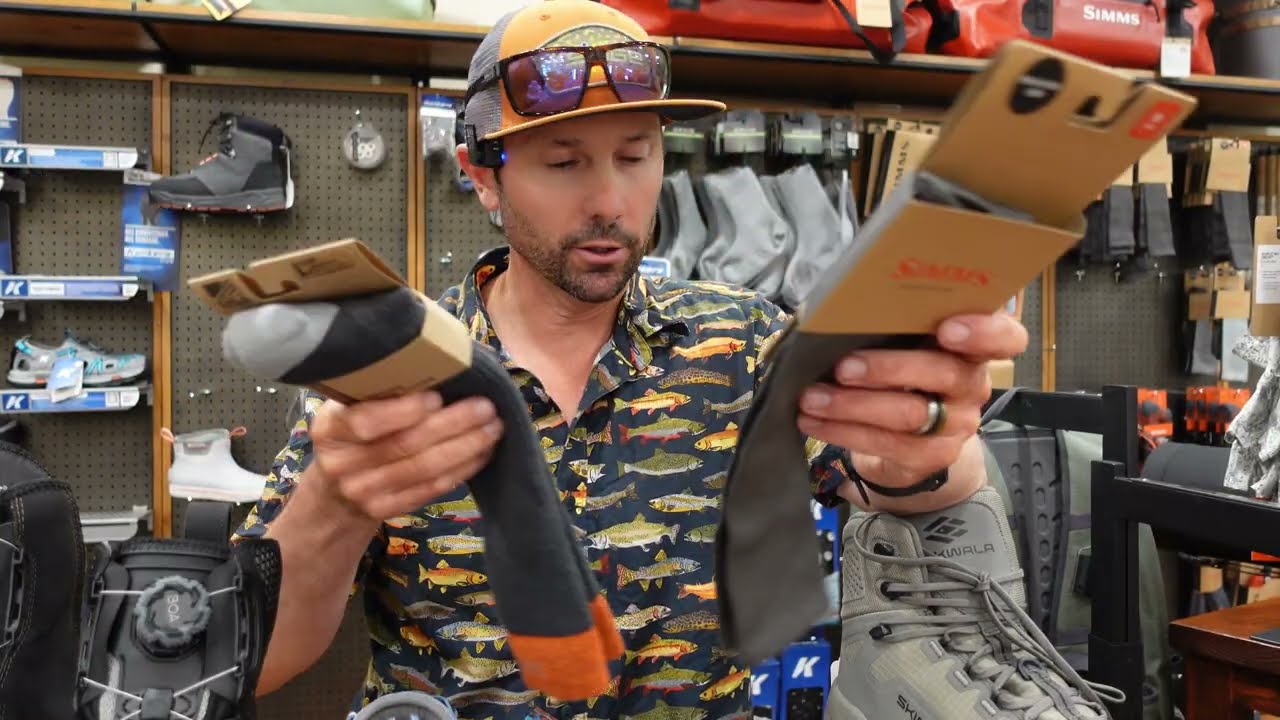
Stockingfoot wading boots are sized to fit over a 4mm neoprene wader bootie. Remove the bootie for wet wading and the boot is an entire size too large — Patagonia’s own product page tells Foot Tractor buyers to size down for wet wading, and the Wild Human gear blog found 38% of buyers missed the note. A loose boot tends to force the foot to grip with the toes, lock the calf, and shift the gait. A 2024 study in Nature Scientific Reports found that walking in tall, stiff boots puts more compression on the knee and more load on the hip than walking in casual shoes. With the ankle held in place by a stiff collar, more of every step usually gets pushed up to the joints above it. A fair amount of what anglers chalk up to “I’m getting older” wet-wading soreness is, in practice, wrong-boot soreness.
The Three Best Wet Wading Boots in 2026
The current top picks are purpose-built for wet wading at street-shoe size, with no down-sizing required.
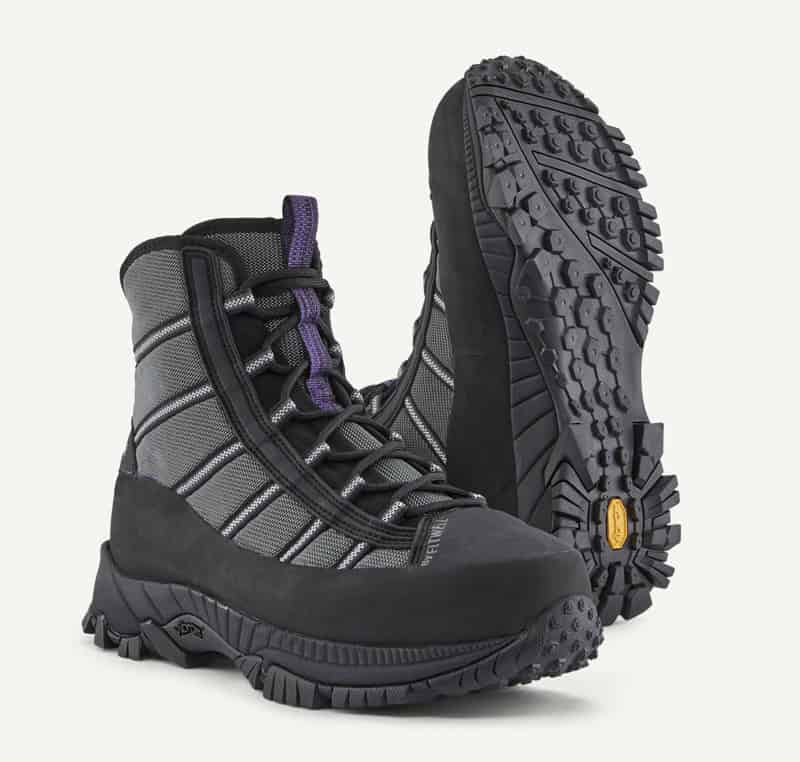
Patagonia Forra ($319, ~41 oz/pair) — Vibram Mars XS Trek sole with HexaBase lugs. Won AFFTA Confluence Show best boot in 2023. Drains fast, designed to accept a neoprene wet-wading sock at street size.
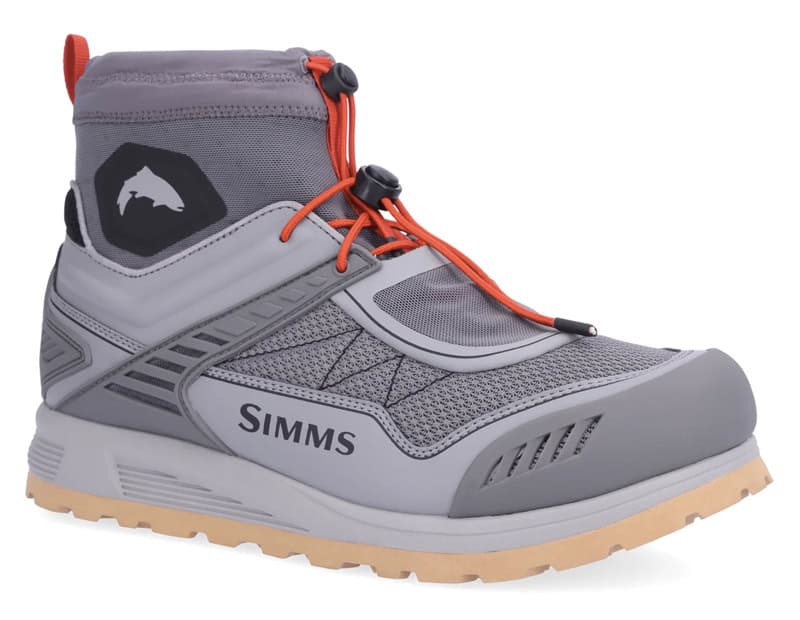
Simms Flyweight Access ($270, ~40 oz/pair) — Vibram Idrogrip Flex (a Simms-exclusive softer compound). Sized to fit a neoprene wet wading sock at your normal street size. Named Best-of-Show Wading Boot at the 2022 International Fly Tackle Dealer show. Resole program runs $90 plus shipping. The best overall wet wading boot for many anglers.
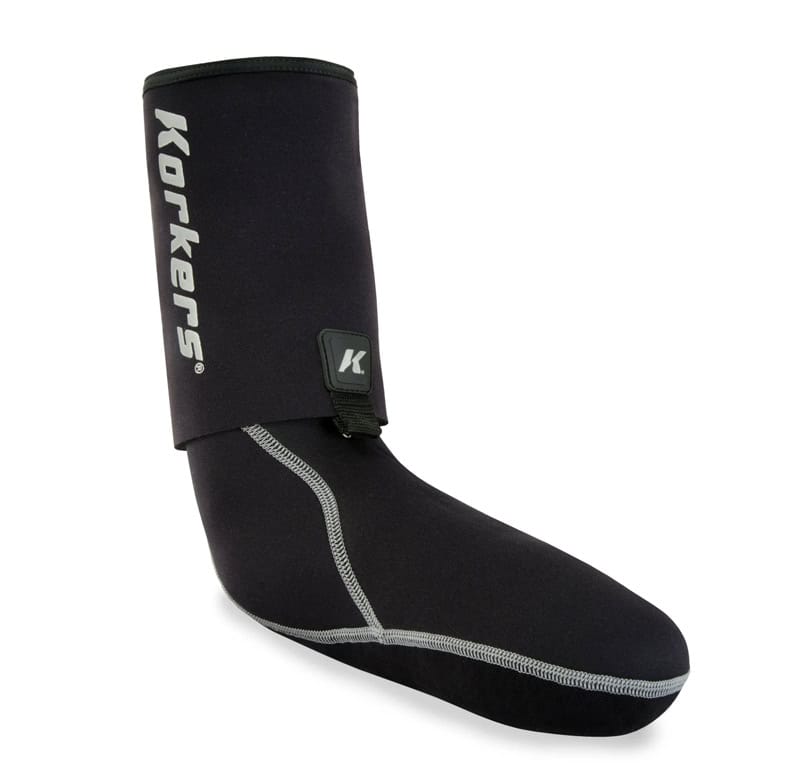
Redington Men’s Prowler Pro ($100) ($100, ~46 oz/pair) — The value pick. EVA midsole, low-cut hiker construction, available in rubber or felt. Pair it with a Korkers I-Drain 3.5mm Guard Sock ($44.99) for a complete wet wading kit under $170.
For anglers who want one boot for waders and wet wading both, the Korkers Devil’s Canyon ($229.99) with the Wet Wade Conversion Kit ($29.99 perforated EVA insole) takes up the volume left when you remove a stockingfoot bootie. Korkers selling this product is the boot industry quietly admitting the fit problem is real.
The Right Wet Wading Socks: Neoprene vs. Yulex vs. Merino
A 3.5mm neoprene sock with an integrated gravel guard is the right answer for most June water. Top picks: Simms Guide Guard ($64.95), anatomical L/R with perforated drainage; Korkers I-Drain 3.5mm Guard Sock ($44.99), the value choice; Patagonia Yulex with Gravel Guard ($59), but the better choice for 70°F-plus warmwater flats than for cool freestones — Yulex is permeable in a way neoprene isn’t, and several Patagonia reviewers report it runs cold in 50–60°F water.
The minority position: two pairs of merino wool socks (a thin liner inside a Darn Tough hiker) inside a properly fitting boot can outperform neoprene on small backcountry creeks above 9,000 feet, where you’re moving constantly and water rarely exceeds the calf. Merino wicks; neoprene traps. Pick by water depth and current.
Gravel Guards: Integrated Beats Aftermarket
Skip the standalone Velcro gravel guard — the Simms standalone model appears to have been discontinued as of late 2025 anyway. The integrated gravel guard sewn onto a neoprene sock stays put because it grips your calf rather than your boot laces. Aftermarket guards with boot-lace hooks loosen with every step, snag fly line, and roll down. The fix is to make the gravel guard part of the sock, not the boot.
A configuration check: when you stand up after lacing, the guard should sit two to three inches above the boot collar with elastic firm enough to leave a faint mark on the skin. If you can slide a finger between the guard and your calf, it will migrate.
Bottom Line
For most anglers, the right wet wading setup is the Patagonia Forra or Simms Flyweight Access paired with a 3.5mm neoprene guard sock — about $360–$365 total. For budget-conscious anglers, the Redington Prowler Pro plus a Korkers I-Drain 3.5mm Guard Sock delivers most of the same benefit at $165. Either configuration is a meaningful improvement over a repurposed wader boot for warm-water days, and either one will hold up for the angler who fishes 30-plus days a season.
Frequently Asked Questions
What is the best wet wading boot in 2026?
The Patagonia Forra ($319) is the best overall wet wading boot for most anglers in 2026. Built with Vibram® Mars sole technology, these wading boots feature a high ankle, solid toe box and an adjustable, noncorrosive lacing system for support and durability. The Simms Flyweight Access ($270) is a close alternative.
Do I need special boots for wet wading or can I use my regular wading boots?
You can usually get away with using regular stockingfoot wading boots for wet wading, but the fit isn’t ideal — they’re sized for a 4mm neoprene wader bootie, and without the bootie the boot tends to run about a size too large. That extra volume often leads to blistering, gravel intrusion, and a sloppy gait that pushes more of every step up to the knees and hips. The common workarounds are sizing down a full size for wet wading only, adding a Korkers Wet Wade Conversion Kit ($29.99 perforated insole), or buying a dedicated wet wading boot sized for bare-foot fit. Anglers who fish fewer than ten days in shorts a year may find the workaround simpler than buying a second pair.
Can I wear merino wool socks instead of neoprene for wet wading?
Yes, in the right conditions. Two pairs of merino wool socks — a thin liner inside a heavier hiker like the Darn Tough Hiker Boot Full Cushion — work well on shallow backcountry creeks where you’re moving constantly and water rarely exceeds the calf. Merino wicks moisture rather than trapping it, which can outperform neoprene in fast-exchanging shallow current. For tailwater wading, water above the knee, or 48–55°F water, neoprene is usually the better choice — closed-cell neoprene insulates by trapping a thin warming layer that merino doesn’t replicate in the same way.
Are felt soles legal for wet wading in 2026?
Felt soles are legal in most U.S. states in 2026 but banned in Alaska, Maryland, Missouri, Nebraska, Rhode Island, South Dakota, and Yellowstone National Park. Vermont rescinded its felt ban in 2016 after research found Didymo is native to the state. Several sources incorrectly list Montana, Colorado, Idaho, Washington, Oregon, and California as banning felt — confirm with the state agency before traveling. Rubber-soled boots with Vibram Idrogrip, Vibram Mars, or Michelin Outdoor Extreme compounds are legal everywhere and perform comparably on most surfaces.
How much should I spend on a wet wading setup?
The common price brackets are around $105–$160 for a budget kit (Frogg Toggs Hellbender boots — $130 MSRP, often discounted to $80–$100 — plus neoprene booties), about $165 for the value tier (Redington Men’s Prowler Pro plus Korkers I-Drain 3.5mm Guard Sock), about $375–$385 for the mainstream pick (Patagonia Forra plus a 3.5mm guard sock or Simms Flyweight Access), and roughly $510 for the premium dual-use setup with a sized-down Patagonia Foot Tractor ($449) and Yulex socks. The $165 value tier is where we’d point most anglers — it buys a low-cut boot that puts less load on the knee than a tall, stiff one, plus a sock that fills the volume and keeps most gravel out. Anglers who fish many days a year, or who want a single boot for both waders and wet wading, may be better served at the mainstream or premium tier.


