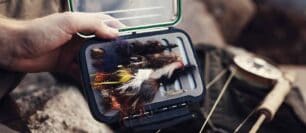

January rivers can feel blank: cold water, quiet surface, and zero obvious hatch. That’s when fly selection gets overcomplicated. But winter fly fishing for trout is often simpler than spring and summer because the trout menu is limited. Think of this as your winter trout fly box checklist: simple patterns, smart rigging, and clean drifts. When you don’t see steady rises, assume trout are feeding subsurface on small items—midges and tiny nymphs—with the occasional egg, worm, or baitfish as a high-calorie bonus.
The 4 best winter trout flies (categories)
1) Midge patterns (sizes 18–24)
Midges are the winter staple on most North American tailwaters, spring creeks, and many freestones.
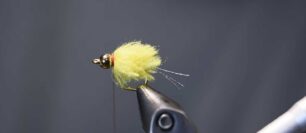
- Zebra Midge-style pupa (black/olive/red)
- Thread-body midge larva
- Slim emergers (WD-40/RS2-type profiles)
2) Small “generic” nymphs (sizes 16–20)
Sparse, buggy nymphs cover Baetis and general winter drift.
- Pheasant Tail nymph (thin, little flash)
- Hare’s Ear-style nymph (sparse)
- Small dark nymphs in black/brown/olive

3) Egg patterns + worm flies (sizes 12–16)
Eggs and San Juan Worm-style flies are winter standouts when flows bump, water has color, or fish are glued to the bottom.
- Egg patterns in peach/pink/orange
- Worm patterns in red/wine (plus one muted option)
4) Small winter streamers (sizes 6–10)
Think “low and slow,” especially in clear water.
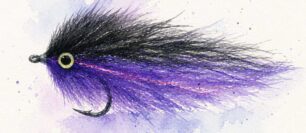
- Small white zonker/baitfish
- Black or olive leech / Woolly Bugger-style fly
- Small sculpin-like streamer for deep pools
The most consistent winter nymphing rig
If you want one default setup for “no hatch” days, fish a two-fly nymph rig:
- Lead/anchor fly: egg, worm, or a slightly larger nymph (adds visibility and helps with depth)
- Dropper fly: tiny midge pupa/larva (18–24) or a small nymph
- Tippet: 5X–6X is standard; go 6X–7X for tiny flies in clear, pressured tailwaters
- Weight: add split shot/tungsten until you tick bottom occasionally
Indicator nymphing vs. Euro nymphing
Indicator nymphing is easy and deadly in slow glides; Euro nymphing (tight-line nymphing) excels with tiny midges because you maintain direct contact and precise depth. Choose the method you can drift cleanly—presentation beats pattern in winter.
Winter presentation tips that catch more trout
- Fish slower holding water: inside seams, pool tails, soft edges, deeper runs.
- Get down first: adjust weight and depth before swapping flies.
- Prioritize a dead-drift: avoid indicator drag and keep your leader angle honest.
- Expect subtle takes: set on anything “different,” including tiny hesitations.
Gear and stealth for cold, clear water
Winter flows are often low and clear, so downsize where it helps: smaller indicators, longer leaders, and finer tippet with tiny flies. Keep guides from icing by dipping the rod tip in the river occasionally (instead of snapping ice off). Hand warmers and good layering help you fish slowly and safely.
What about a winter midge hatch?
If you see consistent sipping in calm water, it’s usually midges. Lengthen your leader, go to fine tippet, and fish a tiny midge dry or emerger. No risers? Go right back to nymphs.
Where this system works (popular winter fisheries)
This simple winter fly selection works on classics like the San Juan River (NM), South Platte tailwaters (CO), Farmington River (CT), Missouri River (MT), and White River (AR)—and it translates to fishable freestones anywhere you can find slow, deeper winter holding water.
Frequently Asked Questions
Q: What are the best flies for winter trout fishing when there’s no hatch?
A: Midges (18–24), a small Pheasant Tail or Hare’s Ear (16–20), plus an egg or worm. Add one small streamer for bigger-fish opportunities.
Q: What’s the best winter nymphing rig for beginners?
A: A two-fly indicator rig: egg or worm as the anchor fly, with a tiny midge dropper 18–24 inches behind, plus enough weight to reach the bottom.
Q: What tippet size should I use in winter?
A: Start with 5X–6X. If fish are picky and flies are tiny, drop to 6X–7X.
Q: How deep should I fish nymphs in winter?
A: Close to bottom in slow-to-moderate lanes. If you’re never ticking, you’re likely too shallow.
Q: When do streamers work best in winter?
A: When nymphing stalls, when water is slightly stained, in low light, or when targeting big trout—fish them slow, deep, and with pauses.
Q: What’s the best time of day for winter fly fishing?
A: On freestones, late morning through mid-afternoon is often best. Tailwaters and spring creeks can be productive all day, with peaks during calmer, slightly warmer periods.