
The federal government is taking another round of public comment on which streams and wetlands the Clean Water Act protects. The U.S. Environmental Protection Agency and the Department of the Army announced the supplemental proposal on September 4, adding new options to their rewrite of “waters of the United States”, or WOTUS, the definition that draws that line. The notice published in the Federal Register on September 9, and comments run through October 9.
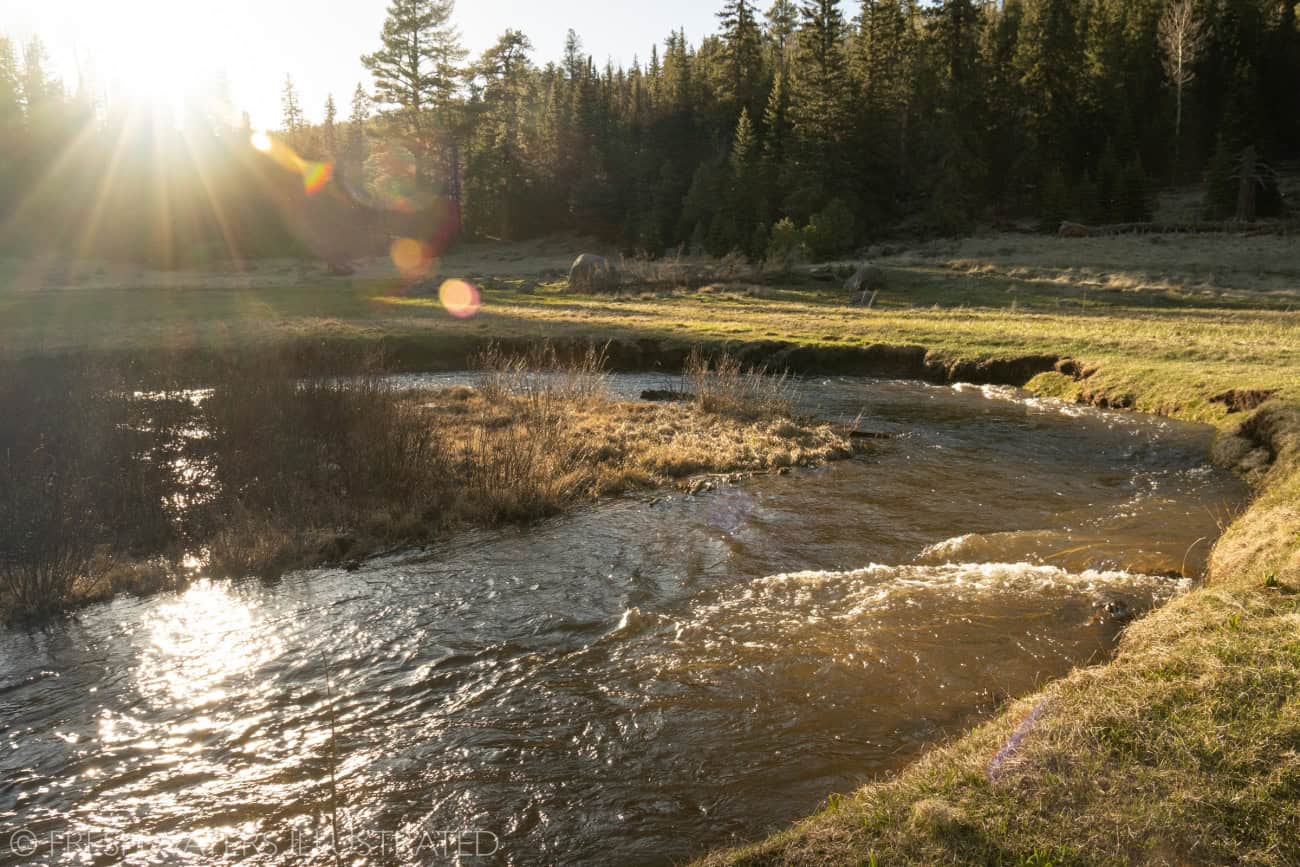
The Supreme Court’s 2023 decision in Sackett v. EPA limited the act to “relatively permanent” waters and to wetlands with a continuous surface connection to them. This rulemaking decides what those terms mean in practice. The agencies’ November proposal defined relatively permanent as water flowing year-round or at least through the wet season. The supplemental option would limit it to perennial waters, meaning standing or flowing water every day of the year under ordinary conditions. A stream would keep its status through an extreme drought, or through a single dry stretch of up to 30 consecutive days a year during a regularly occurring dry spell. The notice offers its own example of where the line falls: a stream that goes dry from June through August every year would not qualify.
For wetlands, the supplemental option applies the same year-round standard. The wetland itself would need perennial surface water, joined to the water beside it closely enough that it is hard to tell where one ends and the other begins. Another alternative would drop the definition of “adjacent” from the rules entirely.
In the notice’s economic analysis, the agencies expect most intermittent streams, the seasonal ones that flow for part of the year, to fall outside the supplemental definition, along with the majority of wetlands now covered as adjacent wetlands. They expect the arid West in particular to see a significant reduction in federally protected waters, since seasonal streams carry much of the water there. The permit program for dredging and filling streambeds and wetlands would see the most change, and the agencies conclude that both the money saved on permits and the environmental benefits given up are larger under the supplemental package than under the November proposal. Their small-business analysis adds that businesses depending on habitat, including those catering to hunters or anglers, could see greater impacts than other sectors, depending partly on how states and tribes respond.
Trout Unlimited opposed the November proposal, which drew about 220,000 comments before its window closed on January 5. “Clean water isn’t a luxury for trout or for people,” TU president and CEO Chris Wood said in November, adding that weakening protections for the small streams that feed rivers puts fisheries and drinking water at risk. TU senior scientist Helen Neville said at the time that ephemeral streams, those that flow only in direct response to rain or snow, make up about half of all stream miles in the Lower 48 and supply about 55 percent of the water flowing downstream. TU had not issued a statement on the supplemental notice as of September 9.
EPA Administrator Lee Zeldin said the agency’s goal is a “durable WOTUS definition that follows the law and ends burdensome regulatory uncertainty.” EPA Assistant Administrator for Water Jessica Kramer told reporters the agencies want a final rule that holds up in court, Agri-Pulse reported. The agency said waters outside federal jurisdiction remain subject to state, tribal, and local law. The Associated Press called the request for another comment round “highly unusual” for a regulation that has reached the Supreme Court twice since 2006.
The notice does not withdraw the November proposal; the agencies said they will weigh both sets of options in a final rule. Comments can be filed to docket EPA-HQ-OW-2025-0322 at regulations.gov, and commenting details are on EPA’s Waters of the United States page.


