Fly Tying Videos

Return to Videos home

Latest Fly Tying Videos


All Fly Tying Videos


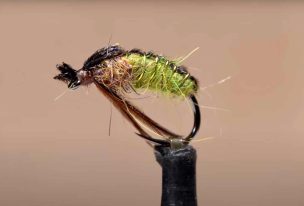
Tying a Synthetic-Quill Nymph

Rich Strolis ties a Synthetic-Quill Nymph, a very simple and effective micro nymph that utilizes multi-rib construction.


How to Tie an Antron Egg

Tim Flager's version of the Antron Egg is set apart by extreme realism and might lure even doubters into giving it a try.

How to Tie a Size 22 Parachute Adams

Tim Flagler uses Danville's Flymaster 6/0 thread, which he favors for small flies, to tie a tiny Parachute Adams.

How to Tie a Headbanger Sculpin

Rich Strolis ties his latest articulated streamer utilizing the sculpin helmet. As Strolis says: "This guy gets down and drums up nice fish. This fly is best fished with a stout leader on a floating line."

Tying a Thorax-Style CDC Blue Winged Olive

Matt Grobert ties a Thorax-Style CDC Blue Winged Olive, a pattern which works well on even the most selective of fish.

Tying an Autumn Dun Wet Fly

Master tyer Davie McPhail ties an Autumn Dun wet fly on a size 12 hook using natural black hen fibres for the tail and peacock quill for the body.

How to Tie the Pine Squirrel Streamer

Tim Flagler demonstrates how to tie the Pine Squirrel Streamer, a large-profile pattern that can be tied with or without weight.


How to Tie JC’s Electric Caddis Pupa

John Collins ties his Electric Caddis Pupa using wire and transparent fluorescent tubing to create an extremely lifelike fly.

How to Tie an Isonychia Spinner

Matt Grobert ties a great late-summer-evening and fall pattern, the Isonychia Spinner.


How to Tie the Forget-Me-Knot Midge

Tim Flagler ties his Forget-Me-Knot Midge on a size-22 hook using 15-pound Amnesia to create a translucent red abdomen.

How to Tie the Olive X-Caddis

Matt Grobert shows how to tie the X-Caddis, a pattern authored by famed western U.S. angler and shop owner Craig Mathews.

Tying the Al’s Trico

Tim Flagler ties an Al's Trico on a size-24 hook, producing a tiny but very effective pattern for late summer hatches.

Video: How to Tie a Yellow Sally Stimulator

Matt Grobert demonstrates how to tie a Yellow Sally Stimulator, a terrific summertime pattern that imitates an adult Yellow Sally or Little Yellow Stonefly.

How to Tie a Saltwater Popper: Part II

Tim Flagler finishes up his demonstration on tying saltwater poppers by showing how to decorate, color and finish the pattern.

How to Tie a Saltwater Popper: Part I

Tim Flagler demonstrates how to prep a pre-formed popper body by inserting the hook and finishing the body. Part one of two.

How to Tie a Trico Spinner

Tim Flagler ties the very popular Trico Spinner, a must-have pattern for long summer days.

How to Tie an Isonychia Emerger

Matt Grobert ties an Isonychia Emerger pattern on a size 12 hook. Isonychia are also known as Slate Drakes and appear in streams all over the U.S.

How to Tie a Sulphur Usual

Matt Grobert shows how to tie his Sulpher Usual, a variation of Fran Betters's "Usual," on a Dai-Riki #305 size 16 dry fly hook.

Tying an Extended Body Light Cahill

Matt Grobert demonstrates how to tie an Extended Body Light Cahill dry fly using a special technique for the abdomen/tail.

Tying Poly Wing and Snowshoe Rusty Spinners

Tim Flagler and Matt Grobert demonstrate how to tie their preferred versions of the Rusty Spinner dry fly.

Tying the Moto’s Minnow

Tim Flager ties a Moto's Minnow, a popular streamer originally designed as a sculpin imitation by Moto Nakamura.


How to Tie Matt’s Sulphur Emerger

Sulphur hatches are some of the most anticipated hatches of the year, but they can also be frustrating. Matt's Sulphur Emerger is an excellent pattern to start with.

Tying a Crane Fly Larva

Crane fly larvae are common in streams all across the U.S. and are a tempting meal for trout, reaching up to more than 2 inches in length.

How to Tie a Bob’s Banger

Authored by New Jersey saltwater fly fishing legend Bob Popovic, Bob's Banger is a durable, easy-to-make popper for all-around saltwater use.

How to Tie an Egg-Laying Grannom (Caddis)

Matt Grobert ties an Egg-Laying Grannom, a pattern designed to imitate both dark and light grannom caddis as they return to the river in late spring to deposit their eggs.

How to Tie a Multi-Feather Flatwing

Joe Cordiero ties a Multi-Feather Flatwing pattern that's a perfect prey imitation.

How to Tie a Catskill-Style Hendrickson

Matt Grobert includes all the standard measurements and techniques for tying a traditional Catskill-style Hendrickson, a favorite of Art Flick's and one of the flies that helped define that region's style of tying.

How to Tie a Single Wing Flatwing

Joe Cordeiro ties a Single Wing Flatwing baitfish imitation. You'll want a stout vise for this pattern, but the result captures all the underwater subtlety of saltwater prey.


How to Tie a Sucker Spawn

Tier Tim Flagler says: "I consider myself only a recreational user of Sucker Spawn, so I really don't have a problem."

How to Tie a Matt’s Gnat

Author and tier Matt Grobert came up with this pattern in order to construct a more durable Griffith's Gnat.

How to Tie a Quill Body BWO Dun

Rich Strolis ties a Quill Body BWO Dun, a great addition to the early-spring or cool-weather arsenal.

How to Tie a Zug Bug

Created by Cliff Zug of Pennsylvania in the 1930s, the Zug Bug imitates a cased caddis or caddis larva, but it also works great in a dropper rig or even swung as a wet fly.

Tying the Chimarra Caddis Larva

Imitating and fishing this bright orange-and-yellow larva in February and March is something you simply must try.

Tying a Leadwing Coachman

A great choice for drifting or swinging in cold weather, the Leadwing Coachman can imitate a variety of drowned or emerging insects, from caddisflies to mayflies.

Tying the Royal Wulff

Tim Flagler ties the classic Royal Wulff fly pattern, a garish but extremely effective attractor.

Tying the Rabbit’s Foot Emerger

Tim Flager ties the popular Rabbit's Foot Emerger, a pattern authored by Tom Rosenbauer.

Tying the RS2

The RS2, authored by Rim Chung, derived its name from "Rim's Semblance 2." It can be fished as either a nymph or emerger.

How to Tie the Copper John

Tim Flagler ties the popular Copper John, a pattern authored by John Barr in the mid-1990s.


How to Tie a Pumpkin Head Midge

Matt Grobert ties a Pumpkin Head Midge, a very effective wintertime midge pattern that features a fluorescent orange bead head.

Tying a Simple Scud

Tim Flagler demonstrates how to tie a Simple Scud pattern, using a size 16 hook and an Antron-and-Australian-possum-blend dubbing not just for the body, but for the legs and antennae as well.

Tying LaFontaine’s Sparkle Emerger

Matt Grobert ties the late Gary LaFontaine's highly popular Sparkle Emerger, which, Tim Flagler notes, "along with the Sparkle Pupa [is] nothing short of miraculous when catching trout."

Tying a Bird’s Nest

The Bird's Nest is a nymph pattern authored by master tier and San Francisco fly shop owner Cal Bird in 1959. Bird first tied it—without the bead—for trout fishing on the Truckee River.

Tying a Foam-Bodied Ant

Tim Flagler ties one of his favorite terrestrial pattern, a foam-bodied ant that is durable, easy to see, and effective.


How to Tie an Olive Woolly Bugger

There are many different ways to tie a Woolly Bugger, notes Tim Flagler, but he suggests these steps for tying one of the best searching patterns of all time.

Tying a Soft Hackle Mayfly Emerger

Author, fly-tying instructor and blogger Matt Grobert ties a sulphur version of the Soft Hackle Mayfly Emerger.

Tying a Clouser Minnow

Tim Flagler ties another saltwater classic, the Clouser Minnow, authored by Bob Clouser around 1987.

Tying an October Caddis

Richard Strolis ties an October Caddis pattern.

Tying a Brassie

The Brassie is a simple yet extremely effective pattern which imitates both caddis and midge larvae, with the added bonus that it sinks like a rock, getting the fly down to levels where trout most often feed.

Tying a Foam Cricket

Curtis Fry demonstrates how to tie a Foam Cricket, which he notes not only qualifies "as a dead ringer for a cricket, it can also pass as a cicada or even a dark grasshopper."

Tying a Zebra Midge

As Tim Flagler says, "The Zebra Midge is one of those patterns that really doesn't need an introduction. It's simple, effective, and works over a wide range of fishing situations."

Tying a Double Standard

Tim Flagler offers detailed instruction on tying a fly that is half Pheasant Tail Nymph and Half Bead Head Hare's Ear Nymph.

Tying a Tabory Snake Fly

Tim Flagler says of the Tabory Snake Fly, "If I see mullet pushing in the shallows, this is the first fly I'll tie on. All in all, it's an incredible saltwater pattern."

Tying a Meat Helmet Sculpin

This video details how to tie a fairly quick sculpin imitation that gets down and has loads of built-in movement.

Tying a Slate Drake Nymph

On some rivers Slate Drakes hatch sporadically, on others they hatch en masse, but either way they are a meal that trout can’t resist.

Tying a Gurgler

Tim Flagler shows his techniques for tying one of the most interesting and popular surface patterns in fly fishing.

Tying a PMD Nymph

Richard Strolis ties another of the patterns he came up with on a recent trip to Montana: a variation of the classic PMD Nymph.

Tying an Elk Hair Caddis

Tim Flagler ties one of the most popular caddis patterns of all time, the Elk Hair Caddis. The fly was authored by Al Troth to imitate fluttering or spent adult caddis.

Tying the Lefty’s Deceiver

Tim Flagler ties one of the most popular saltwater streamers of all time, the Lefty's Deceiver.

Tying an Articulated Ice Pick

"Going the Distance" is the right lyric for North Fork of the White guide/guru Brian Wise, who ties an Articulated Ice Pick fly in this fast-motion video.

How to Tie a Busted Stone

Rich Strolis demonstrates how to tie his Busted Stone pattern, which he notes will work just about anywhere fish feed on stoneflies.

How to Tie a Simple Caddis Larva

Tim Flagler demonstrates how to tie a simple Green Caddis Larva, an imitation of an easily overlooked but important part of a trout's diet.

Tying a CDC & Elk Fly

Tim Flagler ties the CDC & Elk pattern authored by master tier Hans Weilenmann, a high-floating caddis imitation based on Al Troth's classic Elk Hair Caddis.

Tying a Griffith’s Gnat

Authored by George Griffith, the Griffith's Gnat is an effective imitation of virtually any small insect: midges, midge emergers, or tiny mayflies.

Tying a Sulphur Soft Hackle

The Sulphur Soft Hackle is an extremely versatile pattern that can be fished as a dry/cripple on the surface, dead drifted as nymph, or swung and lifted like a wet fly.

Tying a Hendrickson Soft Hackle

"Most fisherman think that soft hackles and wet flies are meant to be fished exclusively in the film or upper part of the water column, but in actuality they're deadly fished deep."

Tying a Sulphur Parachute Fly

Tim Flagler demonstrates how to tie a Sulphur Parachute pattern, a excellent hi-vis option for mid-summer hatches.

Tying a Angel Hair Midge

Master fly tier Davie McPhail ties an Angel Hair Midge (Buzzer).

Tying a Hendrickson Comparadun

"The Comparadun can be altered in color and size to cover just about any mayfly hatch."

Tying a Hare’s Ear

Richard Strolis ties the very popular and highly productive Hare's Ear fly pattern.

Tying a Chicken Finger

Richard Strolis ties a Chicken Finger for use as an anchor in a weighted euro nymph rig.

Tying a Bead Head Woolly Bugger

Tim Flagler shows how to tie one of the most popular searching streamers of all time, the Bead Head Woolly Bugger.

Tying a Prince Nymph

Tim Flagler demonstrates how to tie the classic Prince Nymph fly pattern.

Tying a Case Closed

Adjust the size, color and shape and you can cover all the different types of case caddis you will encounter. The body of the fly is very durable and can be trimmed to any shape in a matter of seconds.

Whip Finishing Without a Tool

Tim Flagler demonstrates how to create a whip finish without using a tool.

Tying the Glo-Bug

Tim Flagler ties the venerable Glo-Bug, a fly that got its start as an egg imitation for fall and spring spring spawning runs.

“Let the Fur Fly”

Tim Flagler demonstrates how to tie his innovative Fur Fly, a pattern meant to imitate flat-bodied nymphs.

Tying a Beach Comber

"The Beach Comber was the result of a three-year project that I started to create a lightly weighted sand eel pattern for the flats of Cape Cod during striper season."

Tying the Adams Dry Fly

Tim Flagler shows how to tie a classic butt-section-to-fly-line connection, the Nail Knot.

Tips for Starting Thread

Tim Flagler offers several tips on starting thread on a hook shank, including showing how to "trim" thread without scissors.

How to Use a Whip Finish Tool

Tim Flagler demonstrates in great detail how to use a whip finish tool, showing both slow-speed and normal speed finishing.

Tying a R-F Caddis

"I have always been a big fan of the X-Caddis and the shuck hanging off the back. I combine that with hares-ear style dub with some added flash in minimal amounts."

Tying a Rock Candy Larva

"A very good anchor fly in any euro-style nymph rig, this pattern in particular was one of my top anchors in 2010."

Tying a Shimmer Stone

""This is the latest medium to large stonefly nymph pattern I came up with. The fly is two-toned like a natural and takes on a woven-fly look without the weaving."

Tying a Classified Caddis

""This particular fly I'm tying is a deep pupa, which I'm usually fishing under an indicator, or in a weight-nymph-style rig. There are different colors of this pattern that I tie, but the one I'm tying for you today is in bright green."

Tying an Ice Pick Streamer

"I was very reluctant to use the new heads as I thought for sure they would be inevitably too heavy. Boy was I wrong. Think of this fly as my tribute to the zonker, only spruced up a bit."

Tying a Magic Caddis

"This is my other favorite caddis pupa pattern, also very simple yet much more flashy. I converted this into a weighted pupa for Czech or Polish nymphing by adding the tungsten bead."

Tying a Woolly Bugger

INSTRUCTOR DAVID CAMISS ties the classic Woolly Bugger fly pattern.

Tying a Tenkara Fly

How to tie a tenkara fly, the Sakasa Kebari (reverse-hackle fly), used in the traditional Japanese method of mountain stream fly fishing.